
【Boss Must-Read】Which Business Card is Right for You? Company Credit Card Comparison & Application Guide 2025
Starting or running a company often involves significant expenses, such as travel, software subscriptions, client entertainment, and office supplies. If every expense requires employees to pay first and then claim reimbursement, it's not only inconvenient but also increases administrative costs. This is where a suitable company credit card (also known as a business card) comes in handy. It not only centralizes corporate expense management but also offers benefits like cashback, mileage accumulation, and even travel insurance. This article will break down the differences between company and personal cards, major card types, benefits, and application steps, helping you find the perfect business card quickly.
Starting or running a company often involves significant expenses, such as travel, software subscriptions, client entertainment, and office supplies. If every expense requires employees to pay first and then claim reimbursement, it's not only inconvenient but also increases administrative costs. This is where a suitable company credit card (also known as a business card) comes in handy. It not only centralizes corporate expense management but also offers benefits like cashback, mileage accumulation, and even travel insurance. This article will break down the differences between company and personal cards, major card types, benefits, and application steps, helping you find the perfect business card quickly.
What is a Company Credit Card?
A company credit card (Corporate Credit Card, also known as a business card, often called a corporate card in mainland China) is a payment tool specifically designed for businesses, for employees to use for entertainment or business travel. After an employee makes a purchase, the bill is paid directly by the company. Unlike personal credit cards, the company card bill is paid directly by the company, eliminating the need for employees to pay upfront and claim reimbursement, which simplifies administrative processes and reduces financial pressure.
What are the differences between company credit cards and personal credit cards?
Although company credit cards and personal credit cards can both be used for purchases, withdrawals, and daily spending, there are several distinct differences due to their differing target users and purposes:
- Credit Limit: Company credit card limits are generally higher to accommodate travel, procurement, and large business expenses. Banks will approve more flexible limits based on the company's size and financial health.
- Liability: The company is responsible for repaying company card debts, so employees do not need to pay upfront and claim reimbursement after making purchases; with personal cards, the cardholder is solely responsible.
- Management Tools: Company cards typically come with dedicated reports and online management systems, making it easy for finance departments to track expenses, set limits, and analyze spending, enhancing transparency; personal cards rarely have this functionality.
- Benefit Design: Company card benefits focus on business needs, such as travel discounts, meeting venue offers, airport lounge access, and travel insurance; personal cards prioritize lifestyle and entertainment, such as dining, shopping cashback, and reward points.
In summary, company credit cards are designed to meet business needs, helping to improve capital utilization efficiency and financial management; personal credit cards are more focused on meeting the daily needs of individual consumers.
Which Company Credit Card is Right for You? A Quick Look at the Main Categories
Company credit cards are not all the same. Based on business size, spending habits, and financial management needs, they can be broadly categorized into the following types:
1. Corporate Card
Ideal for SMEs, this card is applied for and repaid by the company. Typically, there's a single main card for centralized management of all business expenses, offering simplicity but less flexibility.
2. Business Credit Card
Designed for large or multi-departmental enterprises, business cardholders can issue supplementary cards to different employees, allowing for flexible credit allocation and clear tracking of departmental expenses, improving approval and budget control efficiency.
3. Virtual Card
Without a physical card, this is used specifically for online transactions or subscription services, suitable for companies with frequent online payments. It allows for single-use or limited transactions, offers high security, and helps reduce risk.
4. Special-purpose Card
For example, travel cards, fuel cards, etc., specifically address certain expenses and come with related benefits and dedicated reporting tools, enabling precise monitoring of relevant costs.
For SMEs, a corporate card or a simplified business card is sufficient, allowing for cost-effective management of daily expenses with ease. Larger enterprises should opt for business cards with supplementary card schemes for more flexible allocation of credit, meeting the needs of multiple departments or branches. If a business has frequent online transactions, virtual cards offer both security and efficiency, particularly suitable for subscription services or cross-border payments. For specific expenses (such as travel or fuel), special-purpose cards can precisely monitor spending, helping businesses categorize and manage costs more effectively.
More Benefits with a Company Card? Advantages of Company Credit Cards
Compared to personal credit cards, company credit cards not only simplify administrative procedures but also bring numerous practical benefits to businesses. For SMEs, a suitable company card can effectively improve cash flow efficiency while enjoying exclusive business benefits.
Centralized Expense Management
A company card can unify payments for operational expenses like travel, office supplies, and entertainment, eliminating employee advances and tedious reimbursements, and improving financial transparency and efficiency.
Rewards and Business Perks
Many company cards offer cashback, reward points, and even discounts on office equipment, airport lounge access, and travel insurance, helping businesses reduce operational costs.
Improved Cash Flow Management
Company credit cards typically have higher credit limits and interest-free periods of 51–56 days, allowing businesses to flexibly allocate funds and ease short-term cash flow pressures.
Flexible Employee Spending Control
Through business card supplementary card programs, businesses can set limits and usage rules for different departments or employees, effectively preventing overspending or misuse.
Enhanced Financial Transparency and Compliance
Clear and complete transaction records facilitate accounting, annual audits, and tax filing, ensuring more professional and standardized corporate financial management.
Exclusive Business Protection
Many company cards also include travel protection and dedicated customer service, covering thoughtful services like flight delays and accidental coverage, providing additional security for employees on business trips.
How to Apply for a Company Credit Card? Master the Basic Steps for a Smooth Process
Applying for a company credit card isn't complicated. Just prepare the necessary documents and understand the process, and you can get it done in one go:
1. Assess your needs, choose your card and bank
First, clarify the company's main uses, such as travel, procurement, or daily operations, then compare the company cards offered by different banks. Some prioritize cashback, while others offer travel insurance and airport lounge services. Annual fees and credit limits should also be considered.
2. Prepare application documents
Generally required documents include: Business Registration Certificate, Certificate of Incorporation, Annual Return (NAR1), identity documents of directors or company representatives, company financial statements or revenue proof, and proof of business address. Some banks may also require the company's articles of association or organizational chart.
3. Fill out and submit the application form
Typically, a company director or senior executive fills out the application form. You can submit it online or in person at a branch with all the documents.
4. Await approval
After receiving the application, the bank will conduct a credit check and sometimes call or arrange a meeting to verify the company's business status. Approval usually takes 1 to 3 weeks.
5. Receive and activate the card
Once approved, the bank will mail the physical card or provide a virtual card. The company must follow instructions to activate it and establish internal usage rules, such as spending limits for each employee's supplementary card and permitted usage, to ensure security and effective management.
2025 Hong Kong Popular Company Credit Card Recommendations
In Hong Kong, various banks and financial institutions offer a wide range of company credit cards, suitable for both SMEs and multinational corporations. Here are some popular choices for 2025:
HSBC Business Mastercard
- Up to 56 days interest-free repayment period
- Supports ATM cash advances
- Earn "RewardCash" on spending and enjoy year-round merchant offers
- Reward benefits include travel insurance and digital protection
- Earn $1 "RewardCash" for every HK$250 spent
- Enjoy double RewardCash on overseas and online spending
- Accepted by over 45 million merchants worldwide
- Redeem for a variety of gifts, vouchers, or convert to airline miles
American Express Business Green Card
- Up to 51 days interest-free repayment period
- Earn American Express points for every HK$1 spent by the company
- 3 free annual passes to The Executive Centre
- Offers multifunctional expense management solutions, saving transaction costs and administrative time
- Can set spending limits to reduce high-risk consumption and enforce company expense policies
- Multiple liability protection options to reduce operational risks
- Card members automatically enjoy a range of business travel insurance benefits
Bank of East Asia Company Card
- Cash rebate up to 1%
- In addition to individual statements, a consolidated company statement is provided for unified management
- Register for Mastercard Global Online Account Management System to monitor expenses anytime, anywhere, free of charge
- Up to 56 days interest-free repayment period, supports 24-hour global cash withdrawal and auto-pay settlement
- Built-in contactless payment function, single transaction up to HK$1,000
- Company name can be embossed on the card for a professional image
- Includes various enterprise software and service discounts
Industrial and Commercial Bank of China (ICBC) Mastercard Corporate Card
- Business insurance coverage up to US$500,000, including global public transport accident coverage
- Centralized management of daily expenses: dining, entertainment, business trip costs at a glance
- Offers multiple business-exclusive benefits and discounts
- Accepted across the global Mastercard network, convenient for overseas business travel payments
- Equipped with comprehensive online banking tools to improve corporate financial management efficiency
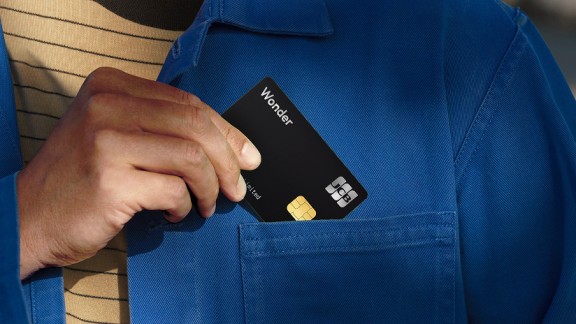
Wonder Card
- Virtual card in as fast as 7 minutes, physical card delivery in approximately 7 days
- Cashback up to 3%
- Instant transaction logging, transparent expense tracking
- Supports multi-card, multi-department spending limit settings
- Visa, Mastercard, UnionPay, JCB, Apple Pay, Octopus, WeChat Pay, etc.
- Seamlessly integrated with Wonder App, Dashboard, Terminal
- SMEs and startups, enhancing financial transparency and payment efficiency
Comparison of Popular Hong Kong Business Cards: Conditions, Benefits & Fees at a Glance
Apply for a Company Credit Card
How is the credit limit for a company credit card set?
The credit limit for a company credit card is generally determined by the issuing bank based on the company's financial health, credit rating, and operational information provided during the application. Some banks also offer dynamic limit adjustments, allowing companies to flexibly manage funds as their needs change.
How many supplementary cards can a company credit card have?
Most banks allow the primary cardholder to apply for supplementary cards for employees or management to help distribute and track company expenses. The number of supplementary cards varies depending on bank policies; some banks have no limit, while others set limits of 10 to 20 cards.
How are company credit card spending records managed?
All company card spending records are usually displayed centrally on the company's monthly statement, making it easy for the finance department to audit. Modern company cards also come with online management platforms, allowing real-time viewing of transactions, expense categorization, limit setting, and reimbursement processes, greatly improving financial transparency and management efficiency.
What should be done if a company credit card is lost or stolen?
If a card is lost or suspected of being stolen, the company should immediately notify the issuing bank to freeze the card to prevent losses. Most banks have 24-hour customer service hotlines that will assist with reissuing a new card and provide dispute investigation and liability protection to ensure the company's interests are protected.
You may also like