【POS System】How to Boost Operational Efficiency in Small Restaurants?
In today's highly competitive dining market, small restaurants face numerous challenges, including cost control, customer service, and operational efficiency. With technological advancements, modern management tools have become crucial for enhancing business performance. Among these, a POS system, as an efficient point-of-sale solution, not only streamlines transaction processes but also provides real-time data analysis, helping restaurant owners better understand their operational status.
In today's highly competitive dining market, small restaurants face numerous challenges, including cost control, customer service, and operational efficiency. With technological advancements, modern management tools have become crucial for enhancing business performance. Among these, a POS system, as an efficient point-of-sale solution, not only streamlines transaction processes but also provides real-time data analysis, helping restaurant owners better understand their operational status.
Key Technologies to Speed Up Order Taking
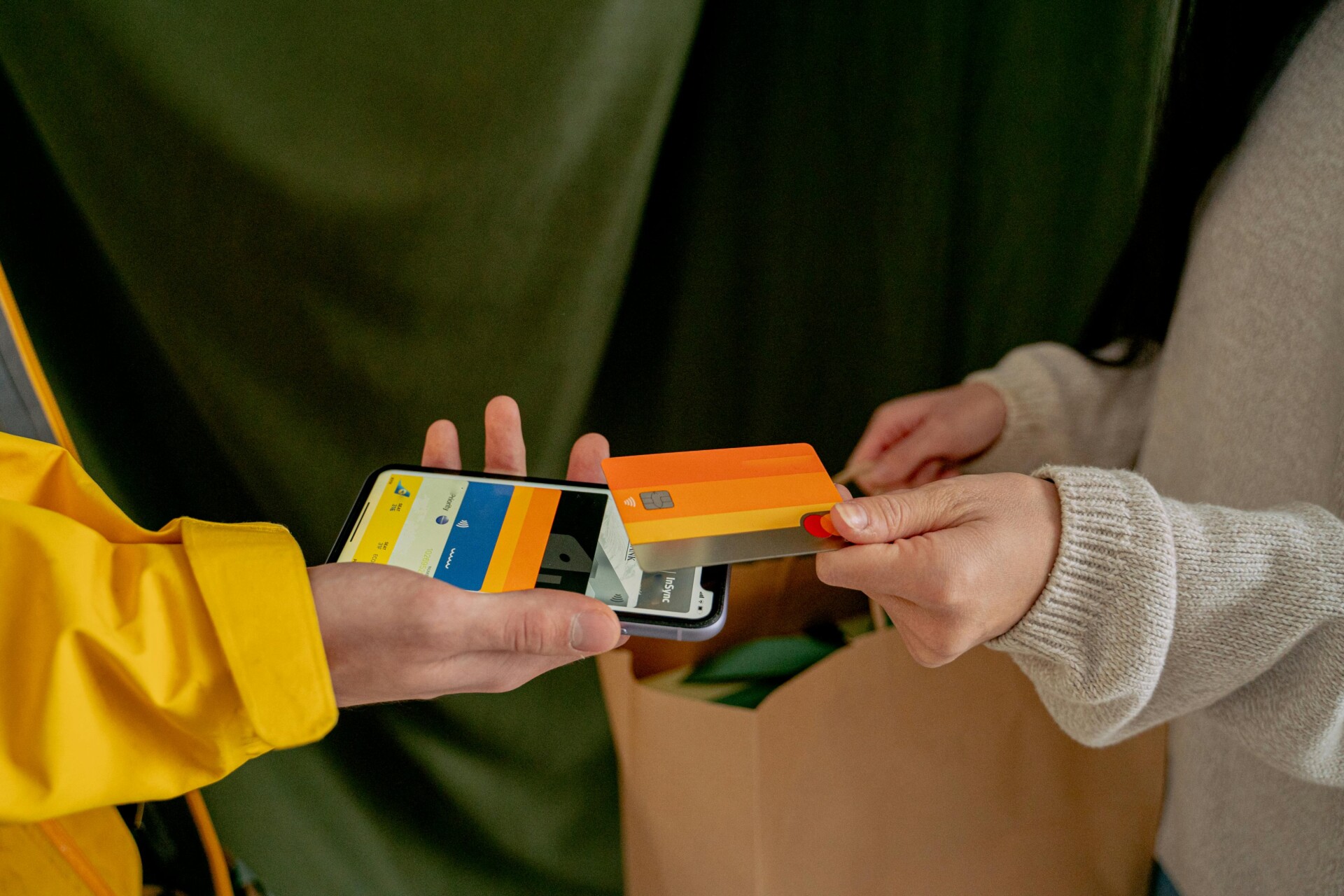
For small restaurants, speeding up order taking is vital. Modern POS systems allow customers to place orders faster, significantly reducing wait times. With intuitive touchscreens, staff can easily select menu items and quickly input orders. Additionally, POS systems automatically calculate prices and taxes, making checkout simple and swift.
Beyond basic ordering functions, some advanced POS systems also offer customer management tools. These tools can record customer preferences and order history, helping staff provide faster service to regulars. When customers return, they feel valued, which not only improves service efficiency but also enhances customer loyalty.
Precise Inventory Management and Cost Control
Precise inventory management is crucial for small restaurants. A POS system allows restaurants to monitor inventory levels in real-time, preventing food waste and stockouts. Knowing which ingredients sell quickly and which move slowly helps optimize procurement, ensuring every ingredient is utilized effectively.
Furthermore, effective cost control helps restaurants save expenses. With a POS system, you can easily track every expenditure, including ingredients, labor, and other operational costs. This gives restaurant owners a clearer understanding of their financial status and enables them to make informed decisions. For example, they can adjust menu prices or change suppliers to maximize profit.
Data Analysis Powers Business Decisions
In small restaurant operations, data analysis helps operators make smarter decisions. By collecting sales data through a POS system, restaurants can identify their most popular dishes and adjust their menu accordingly. This not only boosts customer satisfaction but also increases sales.
Moreover, data analysis also assists restaurants with inventory management. Operators can track ingredient usage, preventing waste and stockouts. By regularly reviewing this data, small restaurants can develop more effective procurement plans, ensuring every customer enjoys fresh, delicious meals.
Best Practices for Customer Relationship Management
In small restaurants, effective Customer Relationship Management (CRM) can significantly boost customer satisfaction and loyalty. First, understanding customer needs is paramount. A POS system enables small restaurants to collect customer order history and preferences, allowing them to offer personalized service. For instance, if a customer frequently orders a specific dish, the restaurant can proactively recommend similar items or offer promotions to entice them to return.
Second, maintaining communication with customers is a key to success. Using a POS system to send email or SMS notifications keeps customers informed about the latest promotions and special offers. Additionally, regularly gathering customer feedback helps improve service quality. These practices not only strengthen customer trust in the brand but also help build long-term, stable relationships, enabling the restaurant to stand out in a competitive market.
Streamlining Payment Processes for Enhanced Customer Experience
In small restaurants, simplifying payment processes can significantly improve the customer experience. After finishing their meal, customers want to settle their bill quickly, allowing them more time to enjoy with friends or family. Advanced POS systems enable restaurants to offer various payment options, such as credit cards (Visa, FPS, JCB, UnionPay), e-wallets, and cash, letting customers choose the most convenient method.
Furthermore, POS systems automatically calculate totals and taxes, reducing the chance of errors. This not only speeds up checkout but also builds higher customer trust in the restaurant's professionalism. Satisfied customers are more likely to return and recommend the restaurant to others. Therefore, investing in an efficient payment system is a crucial step to enhancing customer service.
Wonder Smart Terminal
The Wonder Smart Terminal is a high-tech, secure, fast, and user-friendly point-of-sale device specifically designed for retail stores. It seamlessly connects with the Wonder App and can be managed remotely.
Credit Card Payments
- • Business accounts for sending and receiving payments
- • Multi-currency and foreign exchange accounts
- • Transaction overview
QR Code Payments
- • Scan customer wallets and receive payments
- • Keep up with the fast-growing business account app landscape
- • Supports custom QR code coupons
Mobile Payments
- • Tap-to-pay mobile payments
- • Reach consumers in the emerging virtual banking market
- • Stay ahead in the new generation payment market led by Gen Z and young people
Multi-Device Pairing
- • Simple scan to pair with the POS terminal
- • Automatically assign devices to accounts
- • Single account supports multi-device pairing
For small restaurants, boosting operational efficiency is key to success. With advanced POS systems, restaurants can streamline daily operations, enhance customer satisfaction, and strengthen financial management capabilities. As technology continues to advance, these systems offer owners greater flexibility and convenience, allowing them to focus on improving service quality and culinary innovation.
You may also like