
【Payment Security】How Merchants Protect Customer Transaction Data
In today's digitized business environment, payment security has become a critical concern for both consumers and merchants. As online transactions become more widespread, customer transaction data faces an increasing number of potential threats. Therefore, merchants must take effective measures to protect this sensitive information to maintain customer trust and ensure the sustainable development of their businesses.
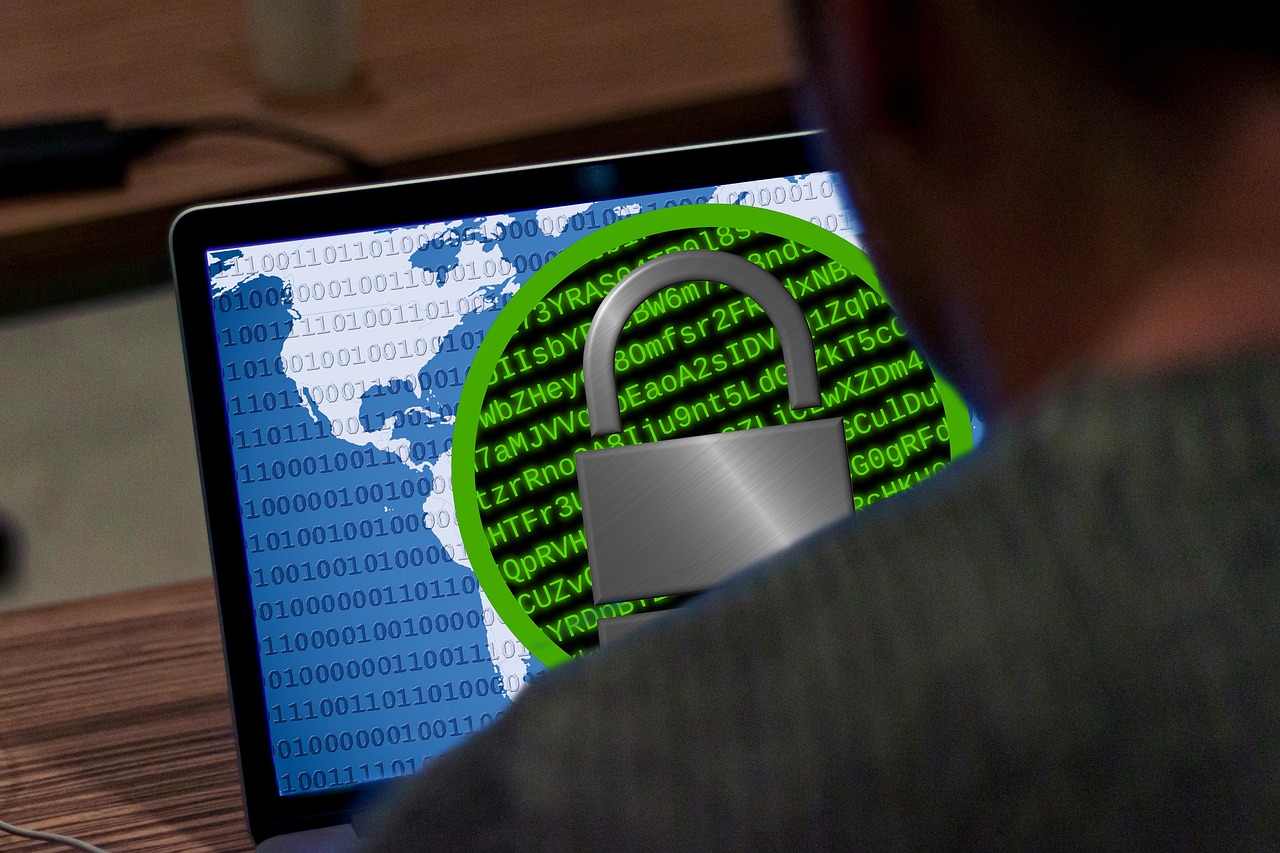
In today's digitized business environment, payment security has become a critical concern for both consumers and merchants. As online transactions become more widespread, customer transaction data faces an increasing number of potential threats. Therefore, merchants must take effective measures to protect this sensitive information to maintain customer trust and ensure the sustainable development of their businesses.
Merchants Apply Encryption Technology to Ensure Transaction Security
When processing customer transactions, ensuring data security is crucial for merchants. Encryption technology helps merchants protect sensitive customer information, such as credit card numbers and personal data. When merchants use encryption, this data is converted into a format that only authorized individuals can decipher. This means that even if hackers attempt to steal the data, they cannot easily read or use the information.
In addition to encryption technology, merchants should also regularly update their security systems to prevent potential attacks. They can take the following measures to further enhance transaction security:
- • Use strong passwords and change them regularly
- • Install firewalls and anti-virus software
- • Provide employees with security training to help them identify suspicious activities
Through these methods, merchants can not only protect customer transaction data but also build customer trust in their brand.
Establish Multi-Layered Authentication Mechanisms
To protect customer transaction data, merchants can implement multi-layered authentication. This means that during a transaction, customers need more than just a password; they also need additional confirmation steps. For example, merchants can require customers to provide a one-time verification code sent to their mobile phone or use fingerprint recognition. This way, even if someone knows the customer's password, they cannot easily complete the transaction.
In addition to basic passwords and one-time verification codes, merchants can also consider using security questions or biometric technology to enhance security. These measures not only increase customer confidence in transaction security but also effectively prevent fraudulent activities. Through these methods, merchants can better protect customer information, ensuring that every transaction is safe and reliable.
Conduct Regular Security Risk Assessments
Merchants should regularly assess security risks to ensure customer transaction data is properly protected. This process is like checking the security of a house; merchants need to identify potential vulnerabilities and threats. Through these assessments, merchants can understand where protection needs to be strengthened and take corresponding measures to reduce risks.
When conducting risk assessments, merchants can consider the following:
- • Check if system security settings are up-to-date.
- • Ensure all employees have received security training.
- • Regularly update passwords and access permissions.
- • Monitor suspicious activities and respond promptly.
Train Employees to Enhance Security Awareness
To protect customer transaction data, merchants need to strengthen employee security awareness training. This not only helps employees prevent potential cyber threats but also improves their ability to follow security protocols in their daily work. Through regular workshops and seminars, merchants can educate employees on the latest security knowledge, such as how to identify suspicious emails or websites, and how to properly use password management tools.
Additionally, merchants should encourage employees to actively report any suspicious activities. Creating an open communication environment can make employees feel comfortable and willing to share their observations and concerns. This not only helps detect problems early but also strengthens teamwork, collectively maintaining company security. Through these measures, we can ensure customer transaction data is well-protected.
Comply with Standards and Best Practices
When handling customer transaction data, merchants must adhere to important compliance standards and best practices. These standards ensure the security of customer data, making them feel secure when shopping. First, merchants should use secure payment systems to prevent fraudsters from stealing customer information. Furthermore, regular security checks and system updates are crucial to ensure all data is protected by the latest technology.
Beyond technical measures, merchants also need to train employees on how to handle customer data correctly. This includes not sharing sensitive information carelessly and identifying suspicious activities. By creating a transparent and responsible environment, merchants can enhance customer trust in their brand. Ultimately, compliance with standards is not just a legal requirement but also a crucial step in improving customer service quality.
Wonder App
From application to operation, all you need is a mobile phone. With a 100% smart digital registration process, you can immediately start receiving and making payments using the Wonder App. You can begin accepting payments in as fast as 7 minutes. Handle multiple tasks with just one Wonder App:
Accounts
- • E-payment account for receivables and payments
- • Currencies and foreign exchange accounts
- • Transaction detail overview
Business Credit Cards
- • Exclusive business cards
- • Directly linked to e-payment accounts
- • Multiple credit cards can be issued from a single account
Receiving Payments
- • Receive a Wonder Smart Terminal physical credit card machine as fast as the same day
- • Collect payments via links generated through the app
- • Process payments anytime, anywhere on your phone
- • Create and send online payment links to anyone
- • Supports multiple payment methods (Visa, FPS, JCB, UnionPay)
Payments
- • Pay employees and suppliers from anywhere
- • Payment management and approval
- • Add and manage frequent payees
Analytics
- • Instant complete payment records
- • Credit card transaction records
- • Track account history
In this digital age, merchants must continuously enhance payment security measures to protect customer transaction data. By adopting advanced technologies and solutions, businesses can not only strengthen customer trust but also boost their competitiveness. Whether it's choosing the right payment platform or implementing strict data protection policies, every step is crucial. Choose Wonder App as your partner to not only improve business efficiency but also ensure transaction security. Experience our all-in-one fintech service today and take your business to the next level!
You may also like