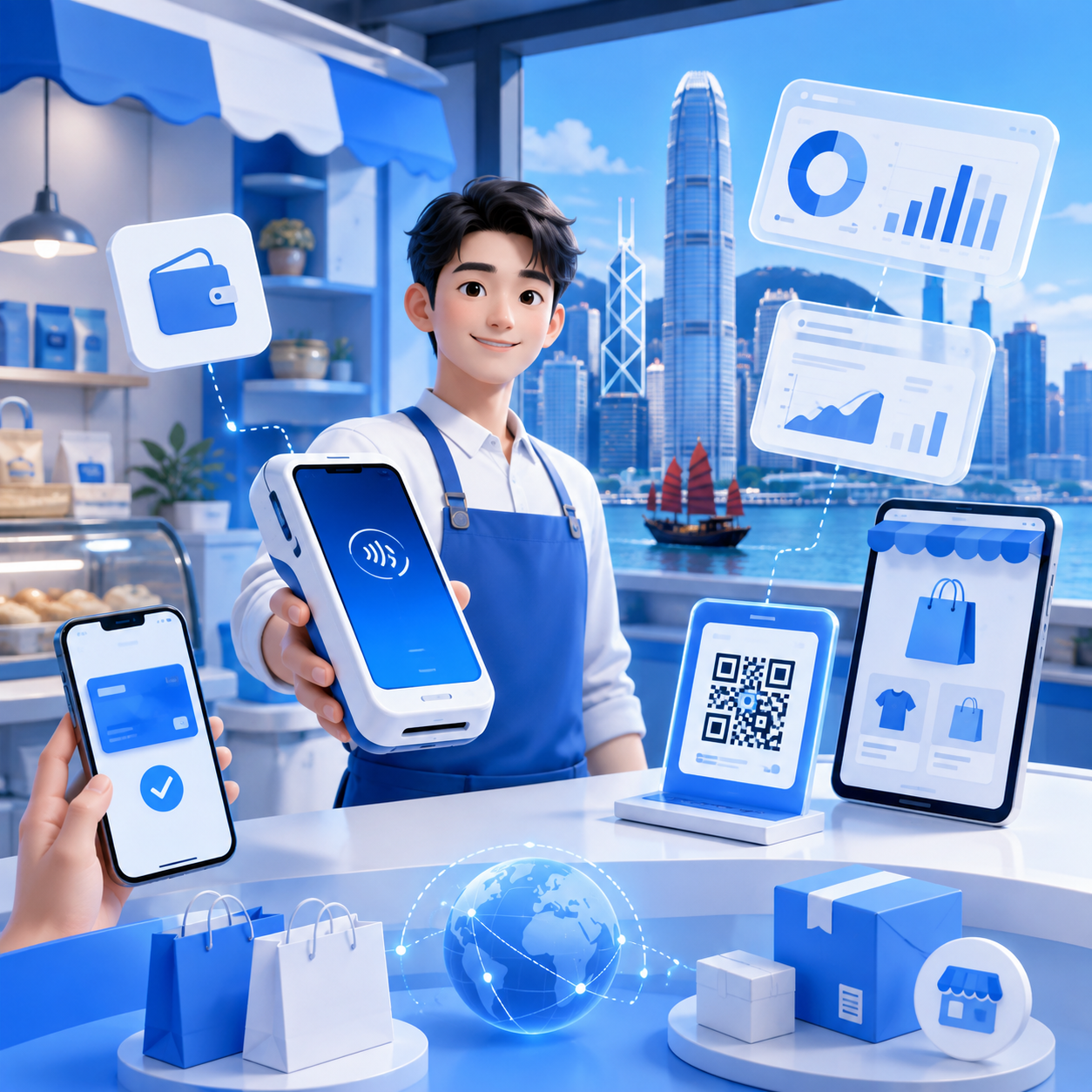
【POS Data】How to Improve Marketing Strategies with Transaction Data?
In today's competitive market, businesses must constantly seek innovative ways to enhance their marketing strategies to attract and retain customers. Transaction data, as a crucial resource, provides deep insights into consumer behavior, helping businesses formulate more targeted marketing plans. By analyzing data collected through POS systems, businesses can not only understand customer purchasing habits and preferences but also identify market trends and potential opportunities.

In today's fiercely competitive market, businesses must continuously seek innovative methods to enhance their marketing strategies to attract and retain customers. Transaction data, as a vital resource, offers profound insights into consumer behavior, empowering businesses to craft more targeted marketing plans. By analyzing the data gathered from POS systems, businesses can not only grasp customer purchasing habits and preferences but also pinpoint market trends and emerging opportunities.
Data-Driven Approaches to Enhancing Marketing Strategies

When enhancing marketing strategies, a data-driven approach helps us better understand customer needs and behaviors. By analyzing transaction data, we can discover which products are most popular, customer purchasing habits, and what times they prefer to shop. This information allows us to tailor marketing activities, such as launching promotions for specific products or increasing ad exposure during peak hours.
Furthermore, using data can help us evaluate the effectiveness of marketing strategies. We can track sales growth driven by different campaigns and optimize based on the results. For example, if an ad attracts many new customers, we might consider increasing its budget; conversely, if it performs poorly, we need to rethink the content or channels. This way, we not only improve efficiency but also ensure that every investment yields the maximum return.
Analyzing Transaction Data to Identify Consumer Behavior
By analyzing transaction data, we can understand consumer purchasing habits and preferences. This data tells us which products are most popular, when customers frequent stores the most, and which payment methods they typically choose. Such information helps merchants develop more effective marketing strategies to attract more customers. For example, if a particular snack sells especially well on weekends, the merchant might consider running promotions on weekends to boost sales.
Additionally, by observing consumption patterns across different age groups or genders, we can design personalized advertisements for specific demographics. This not only enhances customer satisfaction but also helps build brand loyalty. Once consumer behavior is understood, merchants can better adjust inventory, improve service quality, and even develop new products to meet market demands. In summary, analyzing transaction data is a vital tool that helps businesses make informed decisions.
Best Practices for Developing Personalized Marketing Campaigns
To develop successful personalized marketing campaigns, you first need to understand your customers. By analyzing transaction data, you can discover customer purchasing habits and preferences. For example, see which products are most popular, or when customers shop most frequently. This information helps you design targeted promotions that make customers feel noticed and valued.
Furthermore, using different channels to deliver personalized content is crucial. You can communicate with customers via email, social media, or mobile apps. Offering exclusive discounts or recommendations on these platforms can increase customer engagement and satisfaction. Remember to regularly check campaign performance to continuously adjust your strategy, ensuring each marketing effort attracts more customers.
Methods for Continuous Monitoring and Adjustment of Marketing Effectiveness
To ensure your marketing strategy is effective, we need to constantly monitor and adjust. First, use transaction data to analyze customer purchasing behavior. This data can tell us which products are most popular and when sales are best. By regularly checking this data, we can understand market trends and make timely changes. For example, if a product's sales increase in a specific season, we might consider increasing its inventory or launching related promotions.
Second, experimenting and adjusting based on collected data is very important. We can try different advertising methods or discount schemes and then observe which one works best. This not only increases customer satisfaction but also boosts sales. Throughout this process, maintain flexibility and be ready to adjust based on new data to ensure marketing strategies always meet customer needs.
Wonder Smart Terminal
The Wonder Smart Terminal is a high-tech, secure, fast, and easy-to-use POS machine for retail stores, perfectly integrated with the Wonder App for remote management.
• Credit Card Payments
- • Business accounts for payments and payouts
- • Multi-currency and FX accounts
- • Transaction summary overview
• QR Code Payments
- • Scan customer wallets and receive payments
- • Keep up with fast-growing business account applications
- • Supports custom QR code coupons
• Contactless Mobile Payments
- • Tap-and-go mobile payments
- • Reach consumers in the emerging virtual banking market
- • Keep up with the new generation payment market led by Gen Z and young people
• Multi-device Pairing
- • Simple scan to pair with POS machine
- • Automatically assign devices to accounts
- • Single account supports multi-device pairing
In this article, we explored how to leverage transaction data to enhance marketing strategies, enabling merchants to reach target customers more precisely and optimize business performance. By analyzing POS data, merchants can not only understand customer consumption habits but also adjust marketing activities according to market trends to achieve optimal results.
You may also like