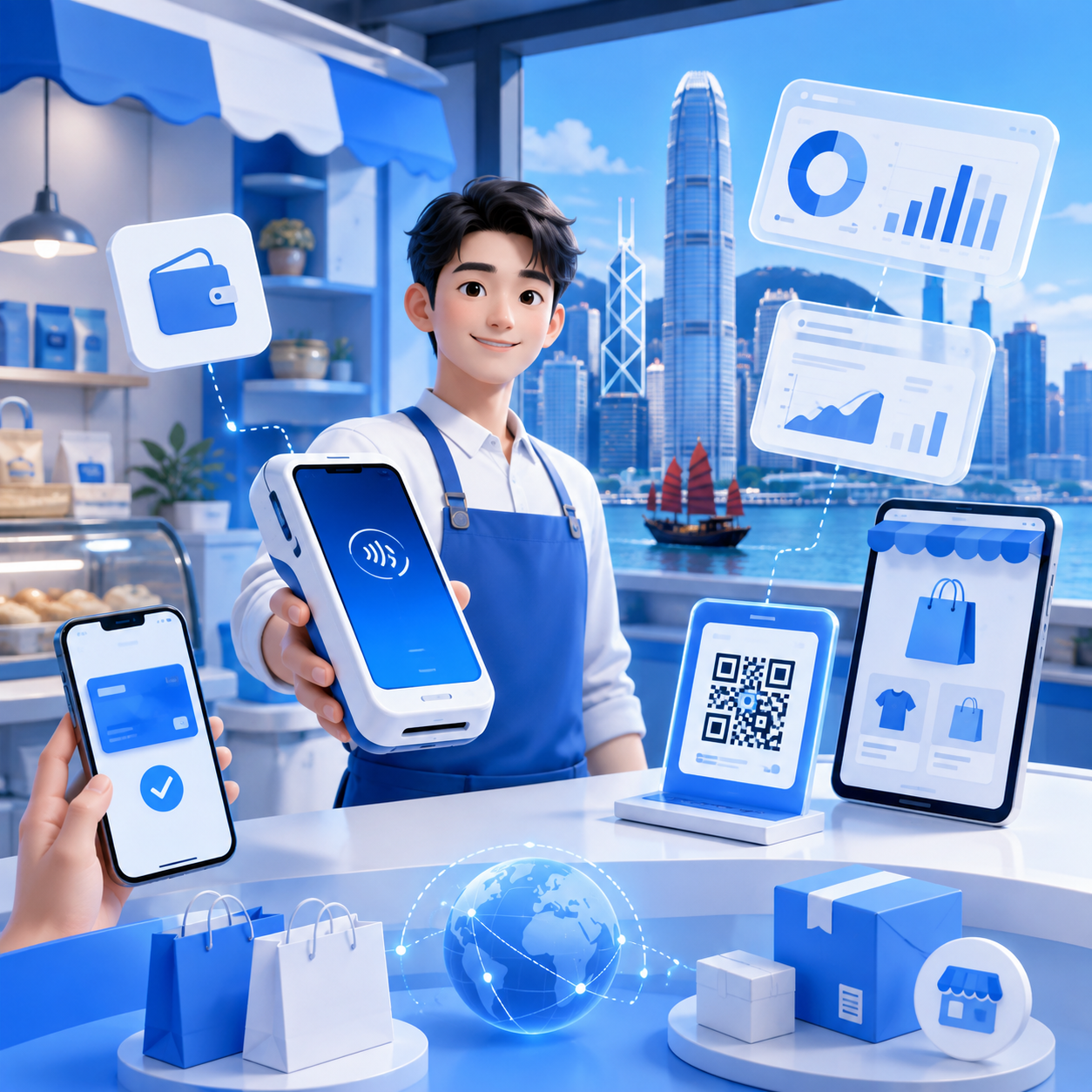
【Startup Guide】How to Quickly Set Up an Online Payment System?
In today's digital age, an online payment system has become an indispensable part of business operations. Whether you're a startup or an established business owner, quickly setting up a secure and convenient payment platform can not only enhance customer experience but also effectively boost sales growth. However, for many nascent businesses, choosing the right payment solution and implementing it often presents significant challenges.
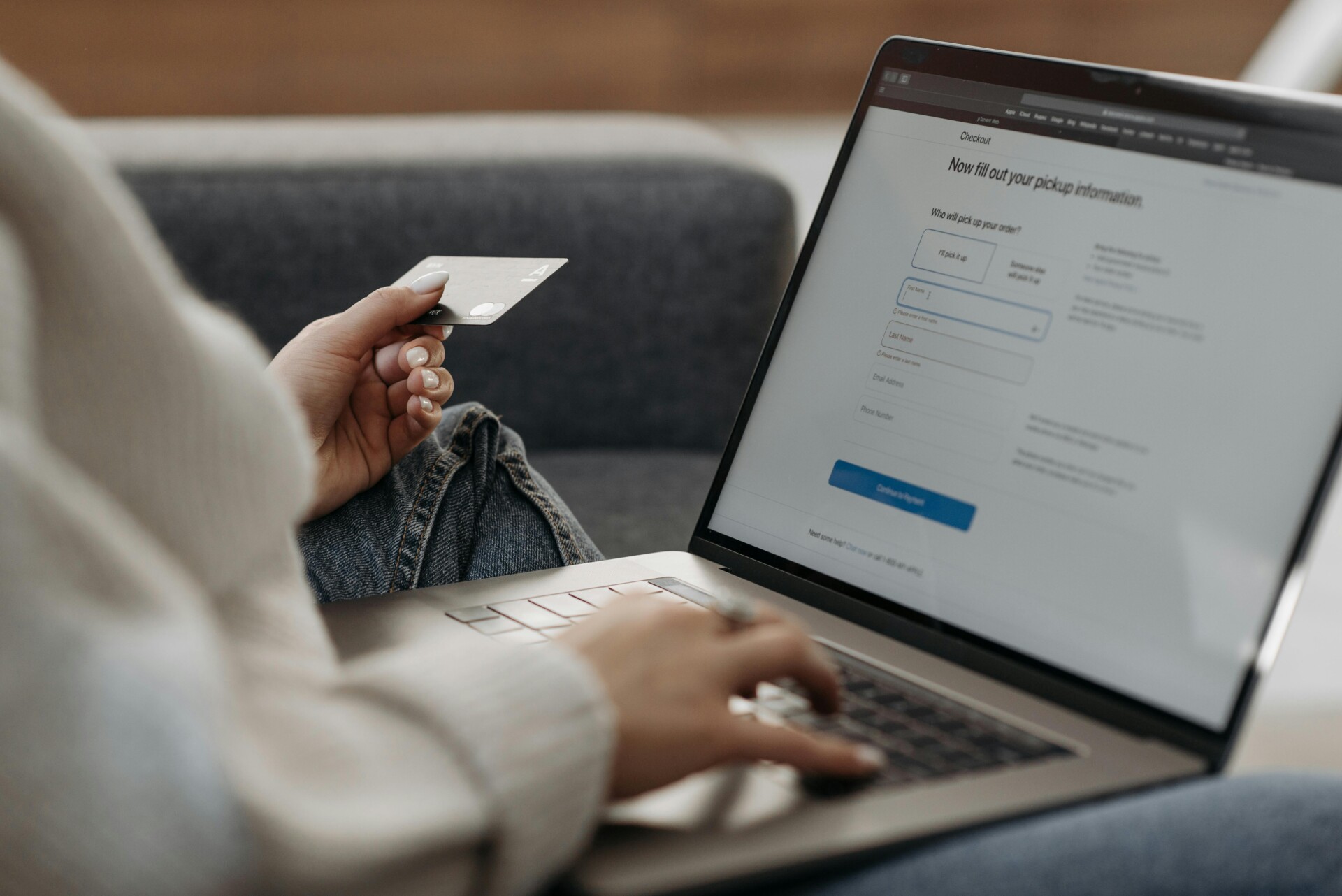
In today's digital age, an online payment system has become an indispensable part of business operations. Whether you're a startup or an established business owner, quickly setting up a secure and convenient payment platform can not only enhance customer experience but also effectively boost sales growth. However, for many nascent businesses, choosing the right payment solution and implementing it often presents significant challenges.
Choosing the Right Payment Platform

When setting up an online payment system, choosing the right payment platform is crucial. This not only helps you collect payments easily but also makes customers feel secure and convenient. You can consider the following factors to choose the platform that best suits you:
- • Ease of Use: Ensure the platform is simple to operate and easy for customers to understand.
- • Security: Choose a platform with a good security record to protect customer data.
- • Transaction Fees: Understand the fees for each transaction to avoid excessive costs.
- • Support for Multiple Payment Methods: Such as credit cards, QR code payments, etc., to give customers more choices.
In addition to the above factors, you should also check platform reviews and user feedback. This allows you to understand the experiences of other merchants and helps you make informed decisions. Furthermore, some well-known platforms usually offer better customer support, enabling you to quickly resolve issues when they arise. Remember to take your time comparing different platforms to find the one that best meets your needs.
Technical Requirements for Integrating Payment Systems
To build an effective online payment system, we need to consider several important technical requirements. First, the system must be secure to protect user data and transaction information from theft. Second, the system should support various payment methods, such as credit cards, e-wallets, and bank transfers, to meet the needs of different users. Additionally, the system needs to be stable, ensuring smooth operation even during high-traffic periods, without crashes or delays.
Besides security and stability, usability is also a key factor. The user interface should be simple and clear, providing robust reporting functions to help merchants manage transaction records more conveniently. Finally, we also need to consider compatibility, ensuring the payment system can seamlessly integrate with other websites or applications.
Key Measures to Ensure Transaction Security
When establishing an online payment system, ensuring transaction security is paramount. Firstly, using SSL encryption technology can protect user data from being stolen. This technology converts users' personal information into codes, making it unreadable to hackers. Furthermore, choosing a reliable payment platform is crucial, as these platforms typically have strict security measures to protect every transaction.
Additionally, regularly updating systems and software also enhances security. This helps patch any potential vulnerabilities and prevents hacker intrusions. Moreover, users should set strong passwords and change them regularly to reduce the risk of account compromise. Finally, providing multi-factor authentication can further improve transaction security, ensuring that only authorized individuals can complete payments.
Design Considerations for Enhancing User Experience
When designing an online payment system, enhancing user experience is extremely important. First, we need to ensure the interface is simple and intuitive, allowing every user to easily find the functions they need. For example, clear buttons and definite instructions can help users quickly complete transactions without confusion. Additionally, offering multiple payment options, such as credit cards, e-wallets, etc., can meet the needs of different users, making them feel convenient and comfortable.
Secondly, security is a crucial factor in building user trust. Using encryption technology to protect user data can make them feel secure when conducting transactions. At the same time, integrating instant customer support into the system, which can answer users' questions during use, also strengthens their confidence in the platform. These design considerations not only improve user experience but also promote business growth.
Continuous Optimization and Maintenance Strategies
After establishing an online payment system, continuous optimization and maintenance are crucial. This not only ensures the system runs smoothly but also enhances user experience. You can regularly check the system's performance for areas that need improvement. For example, observe transaction speed, error rates, and customer feedback. Based on this data, you can make corresponding adjustments to meet user needs.
Furthermore, maintaining security is key. As technology advances, cyber security threats are constantly evolving. Therefore, you should regularly update the system's security measures, such as installing the latest firewalls and encryption technologies. Simultaneously, conduct regular security tests to ensure there are no exploitable vulnerabilities. This not only protects your business but also strengthens customer trust.
Wonder Smart Terminal
The Wonder Smart Terminal is a high-tech solution embodying security, speed, and ease of use. It's a point-of-sale machine specifically designed for retail stores, seamlessly connecting with the Wonder App for remote management.
Credit Card Collection
- Commercial accounts for collecting and making payments
- Multi-currency and foreign exchange accounts
- Transaction detail overview
QR Code Payment
- Scan customer wallets and receive payments
- Keep up with rapidly growing business account applications
- Supports custom QR code coupons
Mobile Payment
- Tap-to-pay mobile payments
- Reach consumers in the emerging virtual banking market
- Keep pace with the new generation payment market, led by Gen Z and young people
Multi-device Pairing
- Simple scan to pair with the POS machine
- Automatically assign devices to accounts
- Single account supports multi-device pairing
You may also like