[Retail] How to Boost Sales with Data Analytics?
In today's fiercely competitive market, the retail industry faces unprecedented challenges and opportunities. With technological advancements and evolving consumer behavior, data analytics has become a crucial tool for retailers to boost sales. By deeply analyzing customer data, sales trends, and market dynamics, businesses can more accurately predict demand, optimize inventory management, and develop personalized marketing strategies.
![[Retail] How to Boost Sales with Data Analytics?](https://cdn.prod.website-files.com/67512a43d742df6fc5bc0e88/68f5b1b9b033f646ad8d5588_pexels-tuurt-2954405.jpeg)
In today's fiercely competitive market, the retail industry faces unprecedented challenges and opportunities. With technological advancements and evolving consumer behavior, data analytics has become a crucial tool for retailers to boost sales. By deeply analyzing customer data, sales trends, and market dynamics, businesses can more accurately predict demand, optimize inventory management, and develop personalized marketing strategies.
The Basics and Importance of Data Analytics
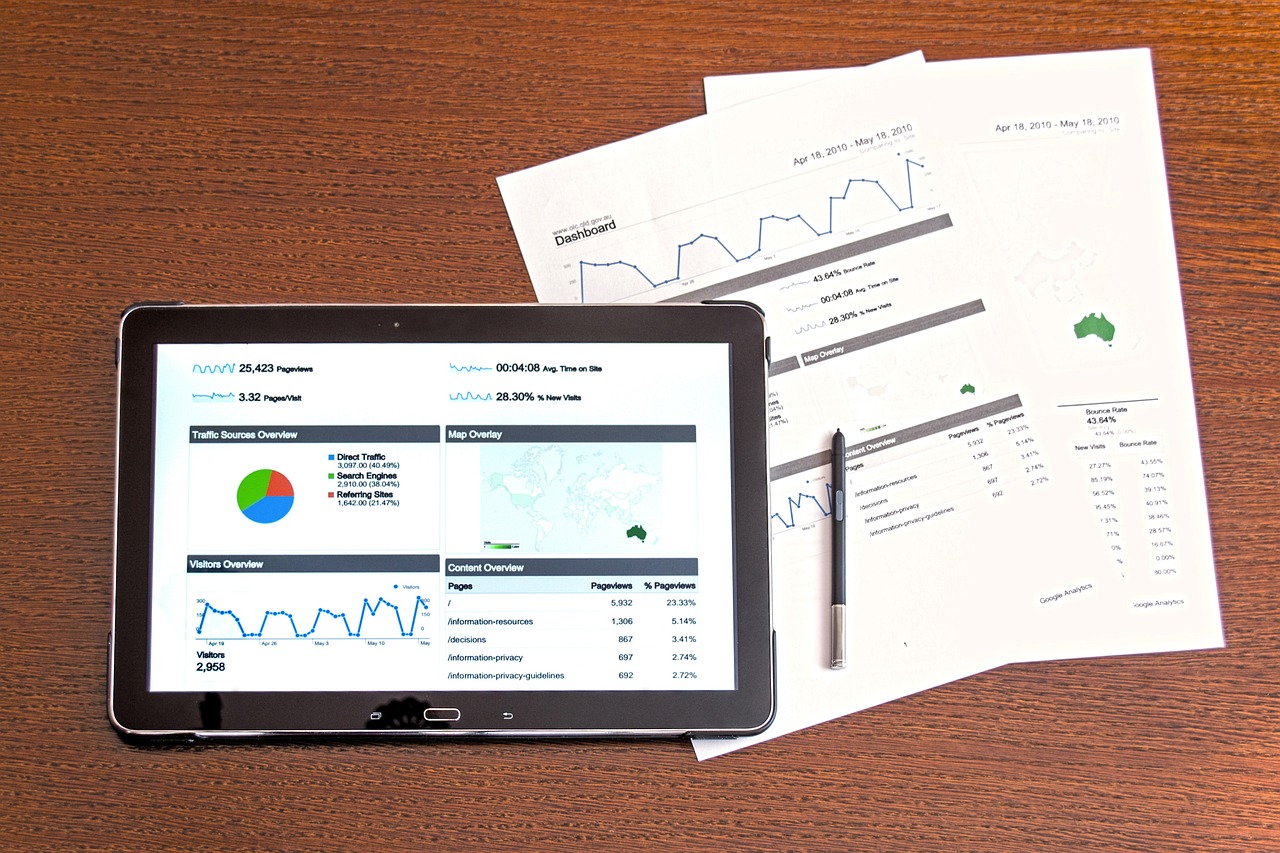
Data analytics is a method of understanding situations by collecting and examining information. In retail, businesses can use data analytics to uncover customer purchasing habits, preferences, and needs. This allows them to better offer products and services tailored to customers. For example, businesses can see which items are most popular and adjust inventory based on this information, ensuring popular products are always in stock.
Furthermore, data analytics helps businesses develop effective marketing strategies. By analyzing customer behavior, businesses can design targeted promotions to attract more customers to their stores. Here are some key roles data analytics plays in retail:
- • Understand customer needs
- • Optimize inventory management
- • Enhance customer service quality
- • Develop precise marketing strategies
Consumer Behavior Analysis to Enhance Customer Experience
In retail, understanding customer behavior is extremely important. Through data analytics, we can learn what customers like and what their shopping habits are. This information helps stores improve their services, making customers happier. For example, if we find that many people prefer to shop on weekends, we can offer special promotions or events during that time to attract more customers.
Additionally, consumer behavior analysis can help stores design better product recommendation systems. When customers shop online, if the system can recommend similar items based on their previous choices, they will find shopping much easier and more enjoyable. This not only increases customer satisfaction but also boosts sales. Therefore, using data analytics to understand consumer behavior is a crucial step in enhancing customer experience.
Inventory Management Optimization and Sales Forecasting
In retail, inventory management is crucial. Good inventory management helps stores ensure sufficient product supply, avoiding stockouts or excessive inventory. Through data analytics, businesses can learn which products are most popular and adjust inventory based on this information. For example, if a certain toy sells particularly well during the Christmas season, businesses can pre-order to meet customer demand.
Furthermore, sales forecasting is a key factor. Using historical sales data and market trends, businesses can predict future sales performance. This allows them to better plan purchasing and promotional activities. For example, before summer arrives, businesses can increase inventory of swimwear and cold drinks to attract more customers. Through these methods, not only can customer satisfaction be improved, but also store profits can be increased.
Implementing Personalized Marketing Strategies
In retail, personalized marketing strategies can help businesses better understand customer needs. First, businesses need to collect customer data, such as purchase history, preferences, and behavioral patterns. This data can be obtained through surveys, website analytics, or social media interactions. Next, businesses can use this information to design targeted promotions that make customers feel specially valued. For example, they can send exclusive coupons based on a customer's past purchases or recommend new products they might like.
Additionally, businesses can use email and social media for personalized communication. By regularly sending content that aligns with customer interests, they can strengthen connections with customers. For example, if a customer frequently buys sports equipment, the business can proactively send updates on the latest sports gear and special offers. This not only increases customer satisfaction but also drives sales growth. In short, by effectively leveraging data analytics, retailers can develop more attractive and targeted marketing strategies.
Best Practices for Continuous Monitoring and Data-Driven Decisions
In the retail industry, continuous monitoring is a vital part of boosting sales. Businesses can observe customer shopping behaviors and preferences to understand which products are most popular. This data helps businesses adjust inventory, ensuring popular items are always available. Furthermore, regularly reviewing sales data allows businesses to discover seasonal trends, such as changes in demand for certain products during specific holidays or seasons.
Using data for decision-making not only improves efficiency but also enhances customer satisfaction. Businesses can provide personalized recommendations based on customer feedback and purchase history. For example, if a customer frequently purchases sports equipment, the business can proactively send relevant offers or new product information. This approach not only increases sales opportunities but also makes customers feel valued, increasing their likelihood of returning.
Wonder Dashboard
Wonder Dashboard is the ultimate business control panel, an invaluable assistant for business management. Merchants can use the Wonder console to analyze their business and improve management through data insights.
• Revenue and Expenditure Financial Statements
- • Detailed multi-angle analysis reports
- • Customize report formats and analyze income/expense data
- • Full data display for better business decisions
• Transaction Detail Monitoring
- • Complete listing of all past transaction details
- • Easily look up any transaction at any time
- • Manage single or grouped transactions, such as refunds and order cancellations
• Historical Settlement Records
- • Streamline all internal and external accounting processes
- • List view to review settlement records
- • Track settlement processing history
• Order and Invoice Management
- • Create and manage online invoices for business partners and employees
- • Submit invoices for review and approval
- • Real-time tracking of invoice status
No matter the size of your business, Wonder Dashboard provides powerful support to keep you ahead of the competition.
You may also like