【Retail Data】How transaction data improves customer experience
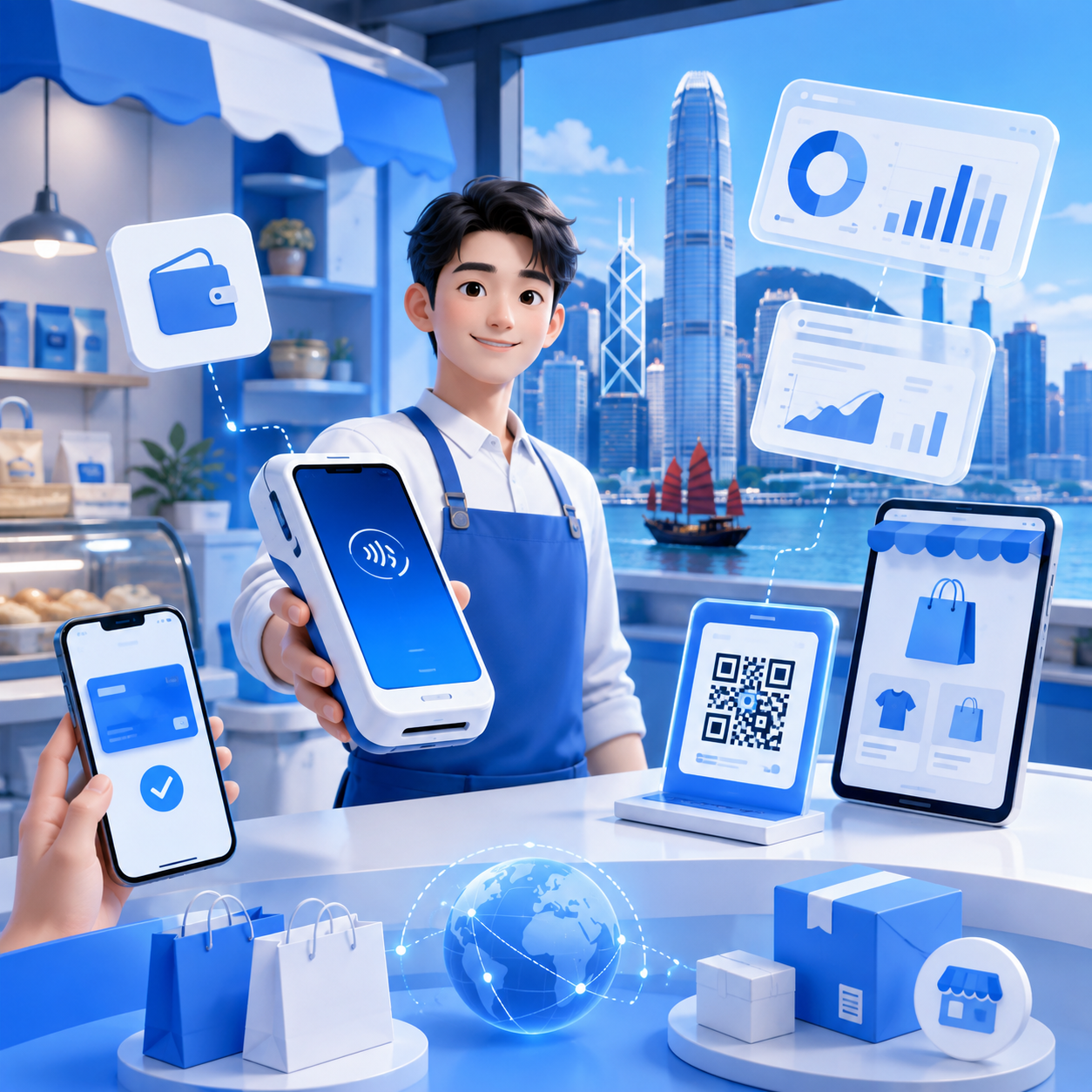
With advancements in technology and data analytics, retailers can extract valuable insights from transaction data to better understand customer needs and behaviors. By precisely analyzing this data, businesses can optimize product offerings and service processes, and provide personalized shopping experiences, thereby increasing customer satisfaction and loyalty.

With advancements in technology and data analytics, retailers can extract valuable insights from transaction data to better understand customer needs and behaviors. By precisely analyzing this data, businesses can optimize product offerings and service processes, and provide personalized shopping experiences, thereby increasing customer satisfaction and loyalty.
The value and application of retail data
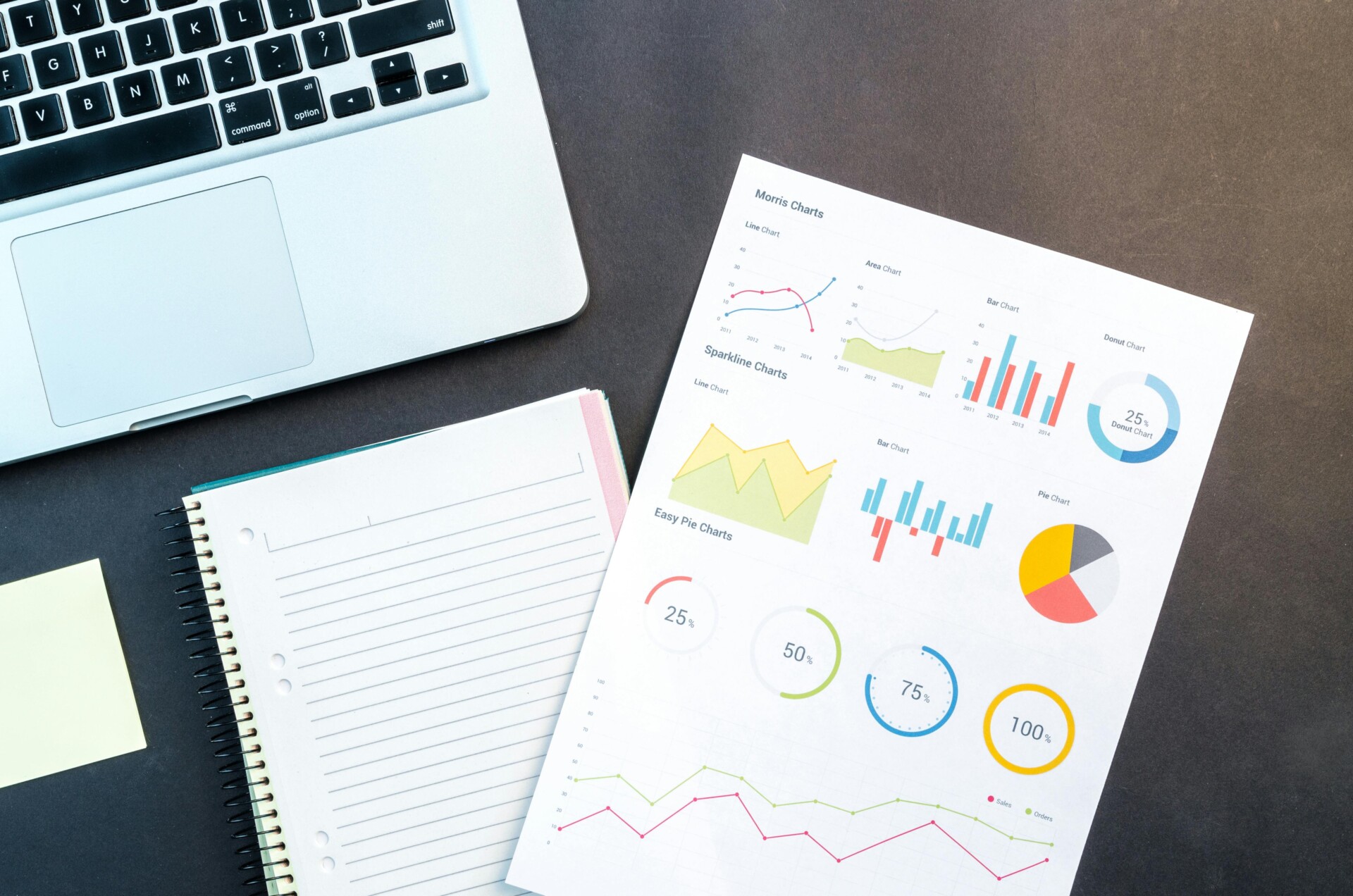
In the retail industry, data is like a golden key that helps stores understand customer needs and preferences. By analyzing transaction data, merchants can discover which products are most popular, when customers typically shop, and their spending habits. This information not only helps merchants manage inventory but also enables them to formulate more effective marketing strategies.
Furthermore, utilizing transaction data can also improve customer experience. When merchants know a customer's purchase history, they can offer personalized recommendations, such as suggesting related products based on past purchases. By analyzing customer feedback and reviews, merchants can continuously improve service quality, ensuring every customer enjoys a pleasant shopping experience.
Analyzing transaction data to identify customer needs
Analyzing transaction data helps us understand customer needs. When we look at the products customers purchase and their spending habits, we can discover which products are most popular, or at what times customers prefer to shop. This information allows us to better manage inventory, ensuring popular items are always in stock, and to launch special promotions for different seasons or holidays.
When designing and implementing these systems, we need to consider several important factors: firstly, ensuring data accuracy and security to build customer trust in the brand; secondly, recommendation content should be easy to understand, allowing customers to easily find the products they need; finally, regularly updating the system to reflect market trends and new customer demands.
Optimizing inventory management to enhance customer service
Optimizing inventory management helps stores better serve customers. When we know which products are most popular, we can ensure they are always in stock, so customers aren't disappointed. For example, if a particular toy sells exceptionally well during the holidays, we can pre-order to avoid stockouts.
Moreover, good inventory management also reduces waste. When we understand which products are slow-moving, we can adjust order quantities to avoid excess inventory buildup. This not only saves costs but also makes store operations more efficient. By analyzing transaction data, we can make informed decisions and improve overall customer service quality.
Continuous monitoring and strategy adjustment to enhance experience
In the retail industry, continuously monitoring customer reactions and behaviors is crucial. By analyzing transaction data, we can understand what products customers like, when they shop, and their spending habits. This information helps us adjust strategies promptly to enhance the customer shopping experience. For example, if we notice a particular product's sales increase during a specific period, we can consider increasing inventory or launching related promotions.
Furthermore, continuous monitoring also allows us to identify problems and solve them quickly. When customers express dissatisfaction with a service or product, we can make immediate adjustments to avoid impacting other customers' experiences. Enhance customer experience through the following methods:
- • Regularly review transaction data
- • Collect customer feedback
- • Flexibly adjust products and services
Wonder Dashboard
Wonder Dashboard is the most comprehensive business control panel, an exceptional aid for business management. Merchants can leverage the Wonder control panel to analyze their business and improve management based on data.
• Revenue and Expenditure Financial Statements
- • Detailed multi-angle analytical reports
- • Customize report formats and analyze income and expenditure data
- • Full display of all data for better business decisions
• Transaction Detail Monitoring
- • Complete listing of all past transaction details
- • Instantly verify any transaction
- • Manage single or groups of transactions, such as refunds and cancellations
• Past Settlement Records
- • Simplify all internal and external accounting processes
- • List view and review settlement records
- • Track operational processing records of settlements
• Order and Document Management
- • Create and manage online invoices for business partners and employees
- • Submit invoices for review and approval
- • Real-time tracking of invoice status
You may also like