
Why can't a personal account be used for business purposes? What are the risks of transferring a company account to personal? Understand the 5 major benefits of distinguishing between company and personal accounts
For many fledgling startups or Instagram shop owners, convenience or saving on account opening fees often leads them to use their personal accounts for business purposes in the initial stages. However, as the business grows, this practice not only leads to messy accounting but can also violate bank terms and even attract investigations from the tax authorities. So, what's the difference between a company account and a personal account? This article will thoroughly break down the compliance risks involved and analyze the 5 major management benefits of using separate accounts.
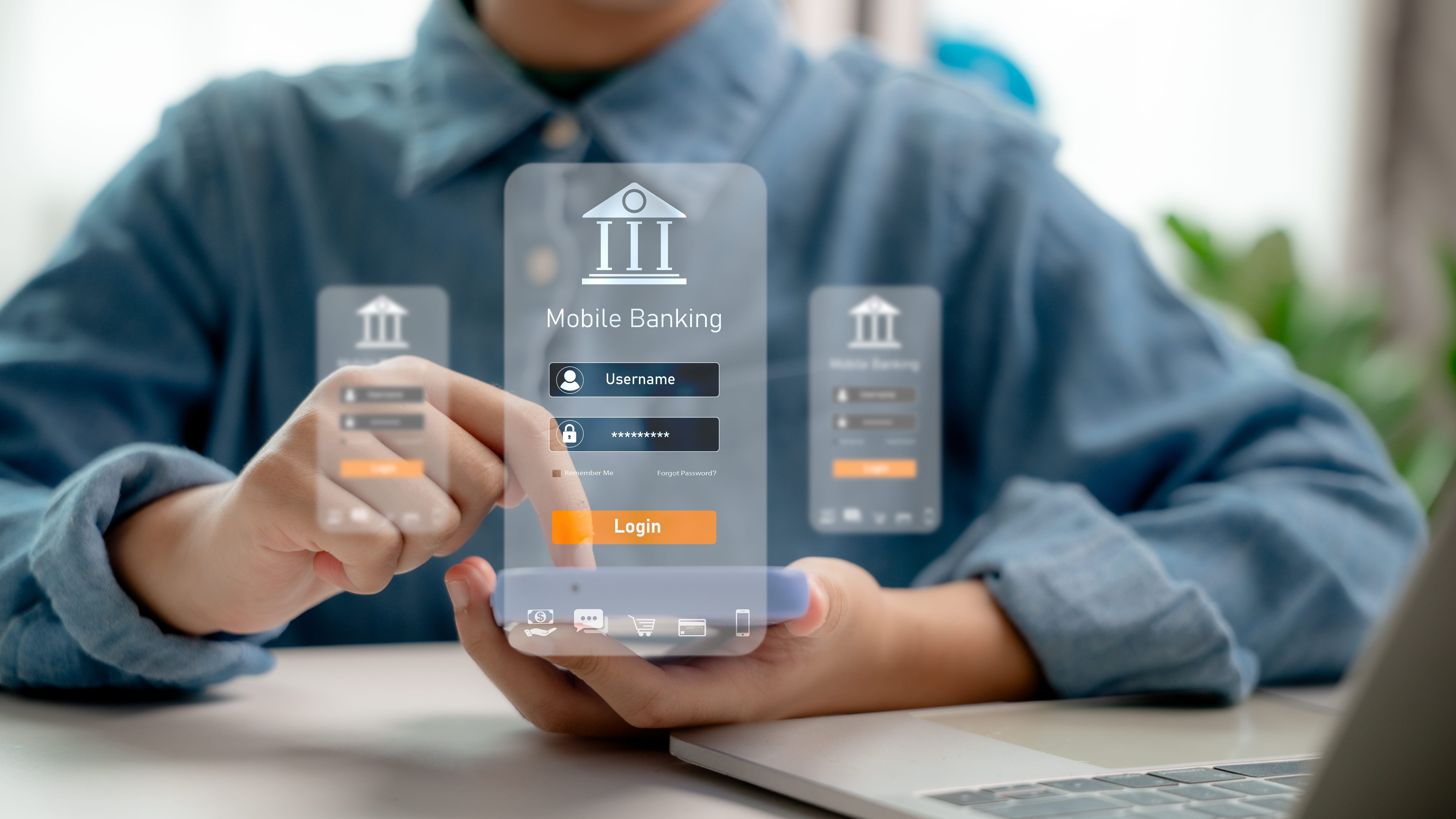
For many fledgling startups or Instagram shop owners, convenience or saving on account opening fees often leads them to use their personal accounts for business purposes in the initial stages. However, as the business grows, this practice not only leads to messy accounting but can also violate bank terms and even attract investigations from the tax authorities. So, what's the difference between a company account and a personal account? This article will thoroughly break down the compliance risks involved and analyze the 5 major management benefits of using separate accounts.
What are the risks of using a personal account for business purposes? Essential compliance and regulatory background you need to know
Many banks specify in their terms or guidelines that personal accounts should not be used for business purposes (e.g., receiving payments from suppliers/customers into a personal account). If used for business operations, you will face the following 5 major risks:
Risk of account freezing or service termination
If a personal account consistently shows transaction patterns inconsistent with typical personal use (e.g., high frequency, deposits from numerous third parties), the bank may request proof of transactions/business. There's also a chance they might restrict certain transactions, suspend account services, or terminate the relationship. If suspicious transactions are involved, the bank may not be able to provide details due to legal requirements and investigation procedures.
Potential for transactions to be flagged as abnormal by the bank
To combat money laundering and terrorist financing, banks are extremely sensitive to fund flows. Transferring funds from a company account to a personal account or frequent large cash deposits can easily trigger the bank's compliance alert system. Once flagged as 'suspicious activity,' it may become more difficult or take longer to get approval for other banking services in the future (including company accounts or credit products).
Tax audit and supplementary tax risks
The Inland Revenue Department requires businesses to maintain clear records of their business income and expenses. If a personal account is used, personal expenses (like dining, shopping) get mixed with company expenses. Should the tax authorities conduct an on-site audit, it will be difficult for you to prove which expenses are tax-deductible operating costs, potentially leading to higher than expected taxes and penalties.
Disorganized financial records, difficult to reconcile
When you need to prepare financial statements, without a separate company account, you won't be able to accurately grasp your company's true profitability, cash flow status, and operating costs, impacting business decisions.
Impact on future company account opening or credit applications
If your personal account was forcefully closed by a bank due to its use for business purposes, it will severely impact your ability to officially open a bank account under your company's name in the future. It could even hinder applications for personal mortgages or credit cards. Furthermore, without proper company bank accounts, it will be difficult to apply for SME loans from banks in the future.
Why do some SMEs use personal accounts for company收款 (receiving payments)?
The main reasons are the high barriers to entry and complex processes for opening company accounts at traditional banks:
- • Lengthy approval times: Opening an account with traditional banks often takes weeks or even months, requiring in-person appointments at branches.
- • High fees: Account opening and company search fees can easily exceed thousands of dollars, plus there's a higher minimum deposit requirement, otherwise a monthly fee is charged.
- • Extensive documentation: A large volume of business proof documents (e.g., contracts, receipts) is required, which can be difficult for startups to provide.
SME startup company account options: Wonder App
Facing the complex procedures of traditional banks, new-generation fintech platforms like Wonder App offer SMEs a more flexible choice, helping you easily define the asset boundaries between company and personal accounts.
Online account registration, simplified application and approval process
Wonder App is designed for SMEs, supporting a fully online account opening process. Entrepreneurs don't need to visit a branch; simply upload basic business registration documents and identification, and approval will be completed in a short time, greatly reducing the time cost of opening an account, allowing you to quickly have a compliant company account.
Help merchants comply with payment regulations, clearly manage company funds
Opening a Wonder business account and receiving payments under your company's name significantly boosts customer trust. All transaction data is stored independently, supporting one-click report export, simplifying reconciliation and tax reporting processes, and thoroughly resolving the management and compliance challenges that come with using a personal account.
Integrated multi-currency/multi-channel payments, one-stop income and expense management
Wonder App supports multi-currency payments and receipts, and can connect to Wonder Terminal and online payment links. Whether handling local Faster Payment System (FPS) transfers or overseas remittances, everything can be done within one app, allowing you to focus on business development without worries.
You may also like