4 Secrets to Pop-Up Store Success Revealed! 2026 Pop Up Store Rental Requirements, Location Selection Tips, and Application Guide
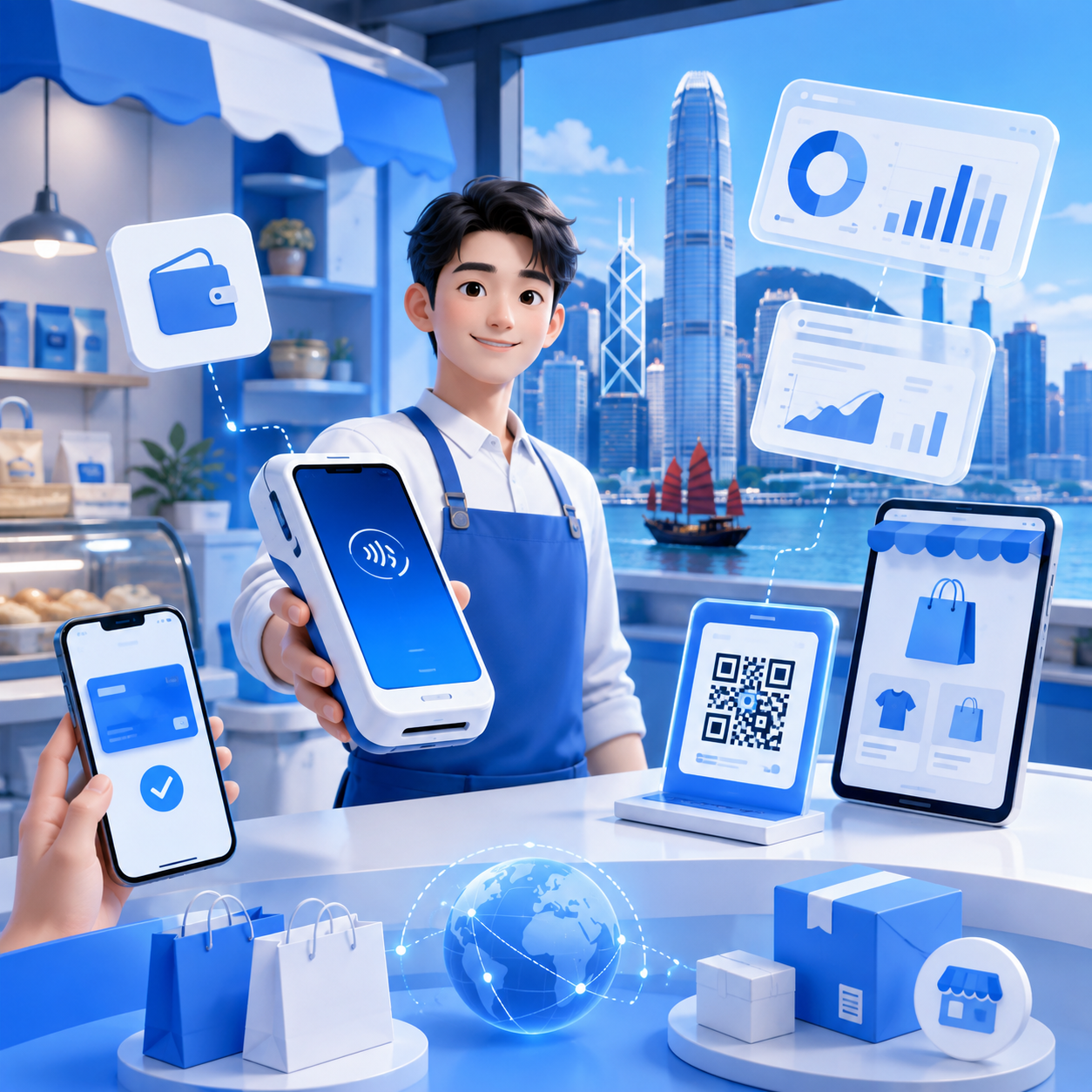
The retail market is fiercely competitive, and the physical retail model is undergoing significant transformation. For many online brands or startups, signing a fixed two-to-three-year lease carries extremely high risk. Therefore, opening a pop-up store has become the best strategy for testing market waters, boosting brand awareness, and promoting new products. This article will thoroughly analyze the four major secrets to successful pop-up stores in 2026, delving into how mall pop-up store rents are calculated, location selection techniques, and the pop-up store application process, helping you master the keys to physical retail operations.
.jpg)
The retail market is fiercely competitive, and the physical retail model is undergoing significant transformation. For many online brands or startups, signing a fixed two-to-three-year lease carries extremely high risk. Therefore, opening a pop-up store has become the best strategy for testing market waters, boosting brand awareness, and promoting new products. This article will thoroughly analyze the four major secrets to successful pop-up stores in 2026, delving into how mall pop-up store rents are calculated, location selection techniques, and the pop-up store application process, helping you master the keys to physical retail operations.
Quick Overview
- Clarifying the Pop-Up Store Concept
- 4 Secrets to Pop-Up Store Success
- Leverage Mobile Management Tools for Pop Up Store Operations Upgrade
- Pop Up Store FAQs
What is a Pop-Up Store / Limited-Time Store?
What is a Pop-up Store?
A pop-up store is a temporary retail space set up by a brand in a commercial area, typically operating for a short period, from a few days to several months. The core of this business model lies in 'limited time' and 'scarcity,' creating high buzz and exposure for the brand in a short period through unique visual design and limited-edition products.
Differences Between Pop-Up Stores and Traditional Stores
Traditional physical stores prioritize long-term stable revenue and customer relationship building, with long lease terms and substantial renovation investments. In contrast, limited-time stores are known for their flexibility, with lower initial investment costs. Their main purpose is marketing, testing market reactions to new products, or clearing out specific seasonal inventory, rather than solely relying on long-term sales profits.
Which Brands Are Suitable for Pop-Up Stores?
Almost all industries can utilize this model, especially e-commerce brands looking to expand their offline presence, traditional retailers preparing to launch new product lines, and F&B brands seeking breakthroughs. All are well-suited to interact directly with consumers and gather first-hand market feedback through limited-time stores.
【Secret One】Mall Pop Up Store Rent and Cost Analysis
How much is mall Pop Up Store rent usually? (Comparison of different locations in Hong Kong)
The retail leasing market in 2026 has become more flexible, but mall Pop Up Store rents will still vary significantly by location. In prime tourist and shopping areas like Causeway Bay and Tsim Sha Tsui, short-term rents during peak seasons (such as Christmas or Chinese New Year) can be quite high; while in community malls in residential areas like Tseung Kwan O and Sha Tin, rents are relatively more affordable and can reach a stable family customer base.
Rent Calculation Methods: Fixed Rent vs. Revenue Share
Currently, there are two main rental schemes for mall Pop Up Store applications. The first is fixed rent, where merchants pay a fixed venue fee; the second is a base rent plus a percentage of sales, where the mall takes a commission from the pop-up store's total revenue based on an agreed-upon percentage.
Major Costs Besides Rent
Renovation and Setup Costs
Given the short exhibition period, it's essential to utilize reusable display racks, eye-catching light boxes, and branded visual posters to create an appealing temporary store space in the most cost-effective way.
Staffing and Operational Costs
In addition to basic staff hourly wages, consider back-end expenses like inventory transportation, daily logistics replenishment, and temporary storage.
Marketing Expenses
The physical space is merely a vehicle; successful customer acquisition relies on online promotion. Allocate some budget for social media advertising and inviting KOLs to visit and check in to maximize the promotional effectiveness of the pop-up store.
【Secret Two】How to Choose a Mall Pop Up Store Location?
Popular Mall Pop Up Store Location Types in Hong Kong
Large Malls (High Foot Traffic, High Rent)
Such as Harbour City, Times Square, and other large landmarks. The advantage lies in their extremely high foot traffic and international visibility, suitable for large-scale projects aiming for brand recognition.
Community Malls (Stable Customer Base)
Malls that primarily serve residents in the area, with high customer repurchase rates. If your brand focuses on daily necessities, health foods, or children's products, these locations often lead to more tangible sales conversions.
Exhibition/Event Venues (High Exposure)
For example, cultural and creative districts or large exhibition halls in various areas. These venues often host themed weekend markets, which can precisely attract consumers interested in culture, art, or specific hobbies.
How to Choose the Right Location Based on Product
High-priced luxury goods are not suitable for areas primarily featuring affordable fast food; while trendy young fashion should choose hotspots frequented by young people.
Considering Foot Traffic and Conversion Rates When Selecting a Location
High foot traffic doesn't always equate to high sales. Therefore, when observing potential locations, you should pay attention to whether the passage is a 'pathway' for customers to reach their destination or a 'shopping area' where they are willing to browse. Only locations where customers are willing to stop and browse can effectively increase sales conversion rates.
【Secret Three】Pop Up Store Application Process and Considerations
Mall Pop Up Store Application Process (From Inquiry to Contract Signing)
The standard Pop Up Store application process typically includes: submitting an initial inquiry to the mall's leasing department, providing a detailed brand proposal, bilateral discussions on details and rental plans, signing a short-term lease after approval, and finally, move-in for renovation and official opening.
Required Documents and Basic Conditions for Application
Malls usually require applicants to provide a valid Business Registration Certificate (BR), company profile, product catalog and pricing, and most importantly – a booth design mockup. The mall needs to ensure your store design meets its overall visual standards.
Factors Malls Consider During Approval
When processing Pop Up Store applications, mall management places the most importance on the brand's uniqueness and appeal. If your brand can bring freshness to the mall, attract additional foot traffic, or create synergy with the mall's existing long-term tenants, the chances of approval will be significantly higher.
Common Reasons for Application Failure
The most common reasons for rejection include: brand positioning not aligning with the mall's image, overly simplistic booth design affecting the mall's aesthetics, or the products sold completely overlapping with existing major anchor tenants in the mall, leading to tenant conflicts.
【Secret Four】Using Mobile Payment Devices to Improve Collection Efficiency
Common Operational Challenges for Pop-Up Stores
Long queues impact sales
During peak hours, if the checkout process is cumbersome and slow, customers' impulse to buy will quickly cool, potentially leading them to abandon their purchases and leave, directly resulting in lost sales.
Insufficient payment methods lead to lost customers
Modern consumers are accustomed to not carrying cash. If a limited-time store cannot support a wide range of electronic payments, a large number of customers will be lost.
Wonder: A More Convenient Pop-Up Store Payment Solution
Unable to instantly grasp sales data
Traditional POS systems are difficult to utilize effectively in short-term operations. With the Wonder App and Wonder Terminal, merchants can instantly grasp sales data. All transaction records are instantly synchronized to the cloud, providing a clear overview of inventory and revenue.
Supports up to 34 types of electronic payments (Octopus/Credit Cards, etc.)
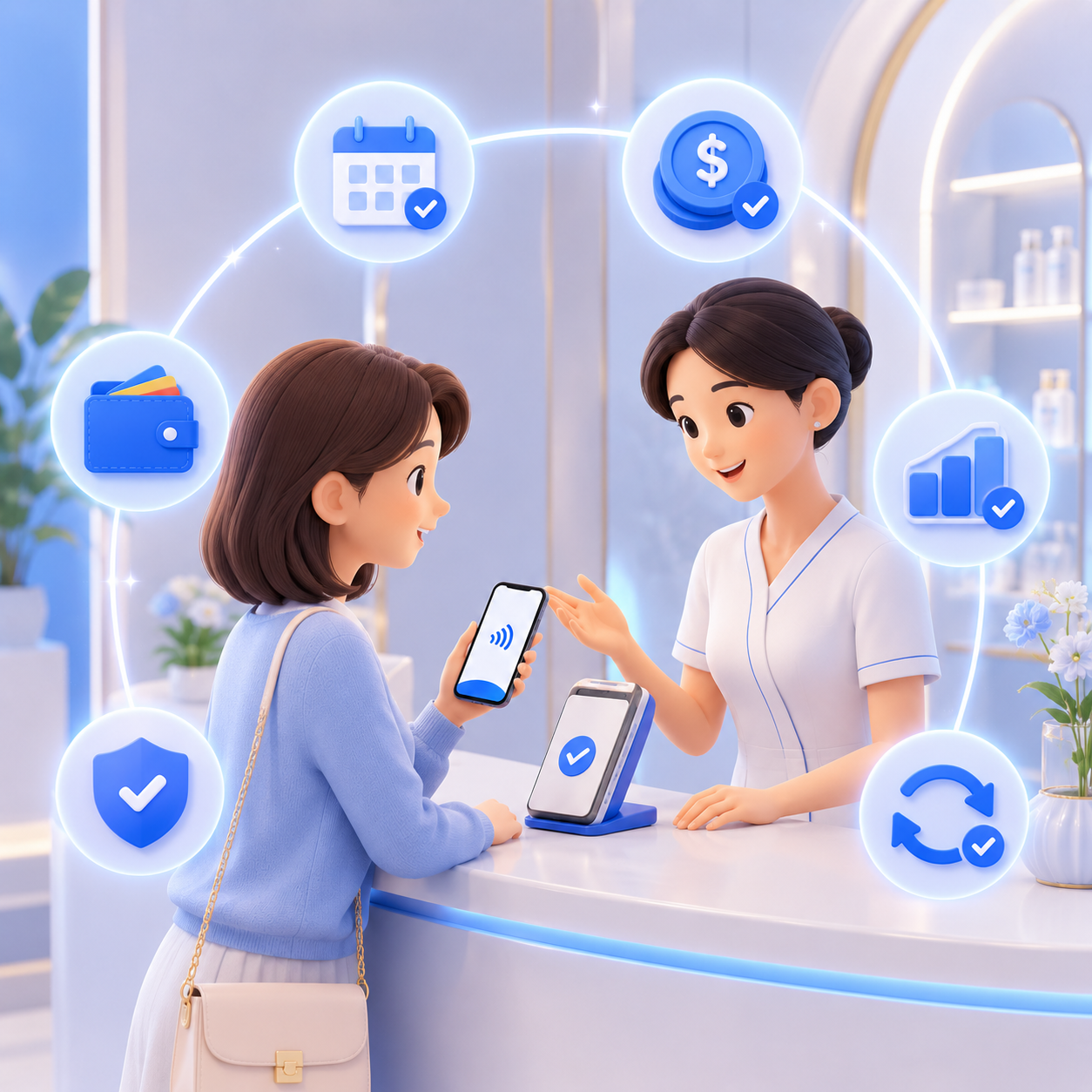
Wonder provides a one-stop payment solution. A single device can process multiple mainstream electronic payment methods such as credit cards, Octopus, Apple Pay, Alipay, PayMe, perfectly adapting to pop-up store environments with limited space and inconvenience for installing large POS machines.
Fast checkout improves conversion rates
Through its smooth interface and extremely fast transaction processing, Wonder significantly shortens the checkout time for each customer. The efficient checkout experience not only reduces queues but also encourages repeat purchases.
Instant data analytics supports decision-making
Through the analytics reports built into the Wonder App, you can track daily and even hourly sales peaks and best-selling products in real time. For pop-up stores with very short operating periods, this is the most powerful tool for timely adjusting replenishment strategies and promotional directions.
Pop Up Store FAQs
Is there a difference between a pop-up store and a limited-time store?
Conceptually, they are the same, both referring to short-term retail spaces. The term 'pop-up store' emphasizes the speed of opening and closing, while 'limited-time store' focuses on the marketing appeal of its temporary scarcity.
How much is mall Pop Up Store rent usually?
Mall Pop Up Store rents vary greatly, depending on the location and timing. It can range from several thousand dollars per day to hundreds of thousands per month, specifically depending on whether a fixed rent or a base rent plus commission model is used.
How long does a Pop Up Store application take?
It is recommended to start preparing and submitting a Pop Up Store application at least 1 to 3 months before your expected opening. The mall needs time to review the proposal, and both parties need time to go back and forth on contract details and venue design.
How to find a suitable Pop Up Store location?
To find a mall Pop Up Store location, you can directly contact the mall's leasing department or engage a real estate agent specializing in short-term rentals. Also, keep an eye out for vacant shop spaces or Pop Up Store owner recruitment on social media.
You may also like