【POS Machine】Leasing or Buying: Which is More Cost-Effective?
In today's fiercely competitive business environment, choosing the right payment machine is crucial for a company's operations. With continuous technological advancements, POS machines have become indispensable tools for merchants' daily transactions. However, when faced with the two options of leasing and buying, many merchants often feel confused, unsure how to make the most cost-effective decision.
In today's fiercely competitive business environment, choosing the right payment machine is crucial for a company's operations. With continuous technological advancements, POS machines have become indispensable tools for merchants' daily transactions. However, when faced with the two options of leasing and buying, many merchants often feel confused, unsure how to make the most cost-effective decision.
Basic Concepts of Leasing vs. Buying
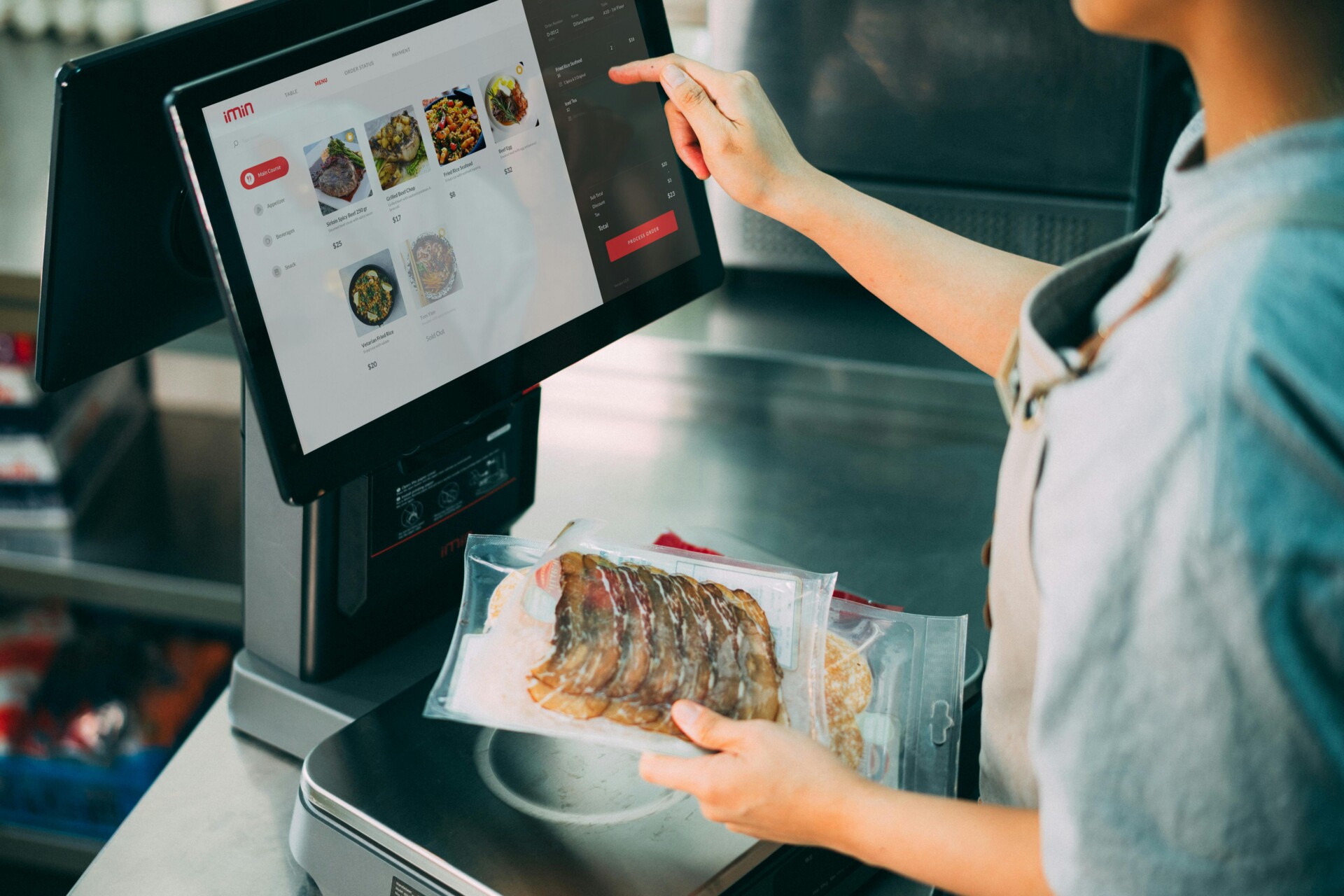
Before considering leasing or buying a POS machine, we need to understand the basic concepts of these two options. Leasing means you pay a company a fee to use their equipment, but the ownership of the equipment remains with the company. The advantage of this is that you don't need to pay a large sum of money upfront and can always upgrade to the latest model. In contrast, buying means you pay the full amount directly, becoming the owner of the equipment, and can use it long-term, although the initial investment will be higher.
Choosing to lease or buy depends on your needs and budget. If your business is just starting, you might find leasing more cost-effective as it reduces expenses and maintains flexibility. However, if you plan to use a POS machine long-term, buying might be more economical. Here are some factors to consider:
- Budget: How much can you pay upfront?
- Usage duration: How long do you plan to use it?
- Technological updates: Do you need to frequently upgrade equipment?
Cost Analysis: Leasing vs. Buying Comparison
When considering whether to lease or buy a POS machine, we need to understand the cost differences between the two. Leasing usually requires monthly rental payments, which can reduce a large one-time expenditure. For small shops just starting, this is a great option because it allows for more flexible fund management. On the other hand, buying is a one-time payment, but in the long run, you won't need to pay any further fees, which can save future expenses.
Besides the basic costs, we also need to consider maintenance and upgrade fees. If you choose to lease, the vendor typically handles equipment repairs and updates, whereas if you buy the equipment, you'll be responsible for these costs yourself. Therefore, before making a decision, carefully calculate all potential expenses, including hidden costs, to ensure your choice is ultimately the most cost-effective.
Usage Needs and Flexibility Considerations
When deciding whether to lease or buy a POS machine, first consider your business needs. If your business is just starting, you might not need a high-end POS machine. In this case, leasing allows you to operate at a lower cost and adjust as your business grows. Conversely, if your business is already stable, buying your own POS machine might be more cost-effective because, in the long run, you won't have to pay continuous rent.
Furthermore, flexibility is a crucial factor. If you frequently attend markets or events, leasing allows you to always have the latest equipment without worrying about maintenance and upgrade issues. If your business model is more fixed, then buying offers greater control and reliability. Therefore, before making a decision, carefully evaluate your needs and future plans to choose the most suitable solution.
Long-Term Return on Investment Assessment
When considering leasing or buying a POS machine, the long-term return on investment is a crucial factor. This means we need to understand how much revenue each option can generate over the next few years. If you choose to lease, initial costs are lower, but over time, total expenses may increase. If you buy, although the initial outlay is higher, the annual cost gradually decreases with extended use.
To better assess long-term returns, consider the following:
- • Equipment durability and maintenance costs
- • Impact of business growth on equipment needs
- • Hidden fees in leasing contracts
- • Ability to upgrade or resell after purchase
Recommendation: Decision Based on Business Needs
When considering leasing or buying a POS machine, first assess your business needs. Every store's situation is different, so you need to ask yourself some questions, such as: How long has your business been operating? How many transactions do you anticipate in the future? If your business is new, leasing might be more suitable, as it reduces initial investment and risk. However, if you have a stable customer base, buying might be more cost-effective, as you'll save more money over long-term use.
Additionally, consider equipment maintenance and upgrades. If you choose to lease, most suppliers offer maintenance services, so you don't have to worry about equipment malfunctions. But if you purchase the POS machine, you'll be responsible for maintenance and updates yourself. Therefore, before making a decision, consider these points to help with your analysis:
- • Business scale and growth potential
- • Budget limitations
- • Need for technical support
- • Equipment lifespan and depreciation
Wonder Smart Terminal
The Wonder Smart Terminal combines security, speed, and ease of use in a high-tech, in-store payment machine. It seamlessly connects with the Wonder App for remote management.
Credit Card Payments
- • Commercial accounts for receiving and making payments
- • Multi-currency and foreign exchange accounts
- • Transaction detail overview
QR Code Payments
- • Scan customer wallets and receive payments
- • Keep pace with fast-growing commercial account applications
- • Supports custom QR code coupons
Mobile Payments
- • Tap-and-go mobile payments
- • Reach consumers in the emerging virtual banking market
- • Keep up with the new generation payment market led by Gen Z and young people
Multi-Device Pairing
- • Simple scanning to pair with the POS machine
- • Automatically assign devices to accounts
- • Single account supports multi-device pairing
When considering leasing or buying a POS machine, merchants need to make an informed choice based on their specific needs and financial situation. Whether it's a flexible leasing solution or an outright purchase, the ultimate goal is to enhance business efficiency and customer experience. We hope this article helps you clearly understand the pros and cons of each option and find the best solution for you.
You may also like