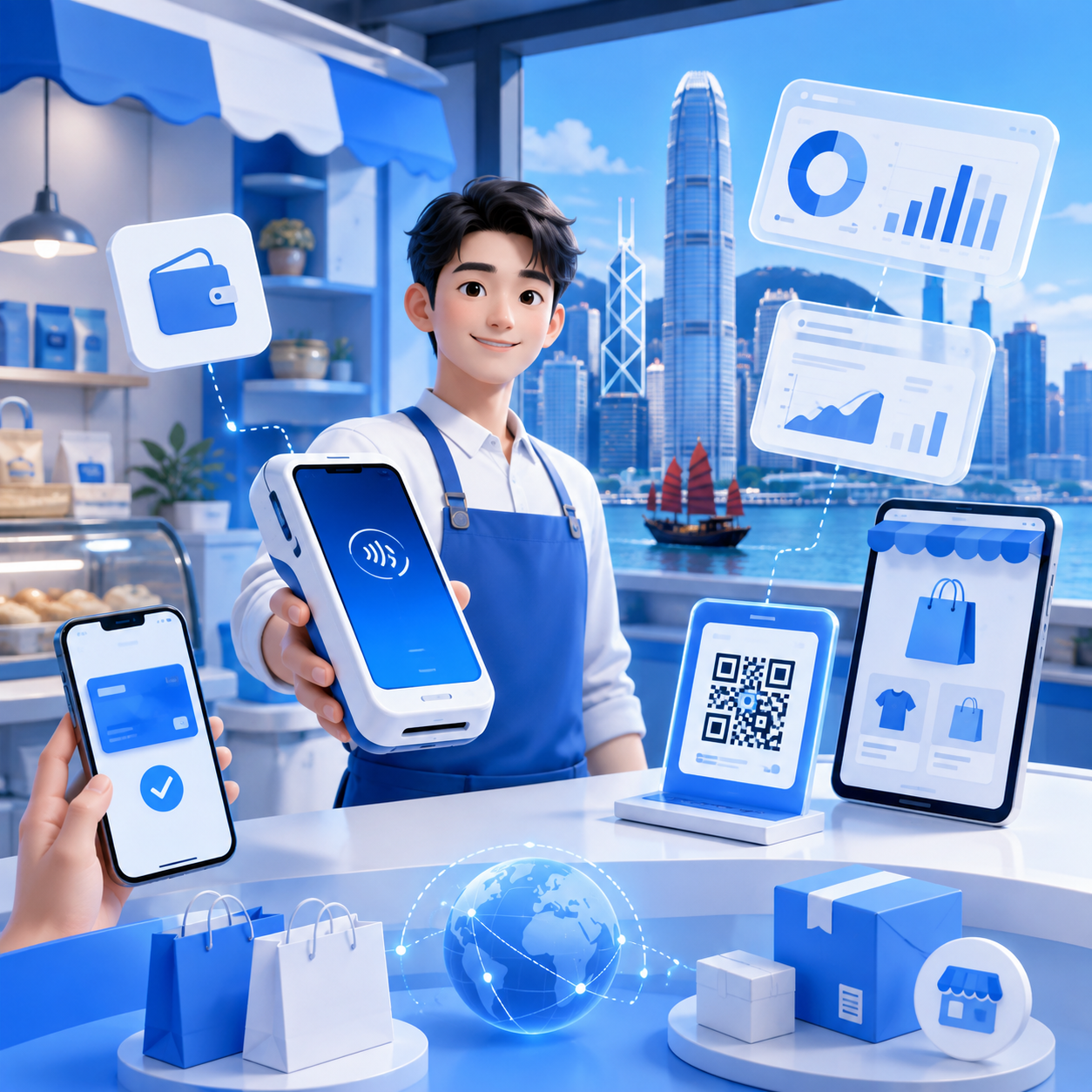
【Streamlining Payment Processes】How E-Payments Boost Retailer Efficiency
In today's rapidly evolving digital age, e-payments have become an indispensable part of the retail industry. As consumer demand for convenient and efficient transactions grows, retailers face the dual challenge of improving operational efficiency and customer satisfaction. By simplifying payment processes, e-payments not only shorten transaction times but also reduce human errors and enhance cash flow.
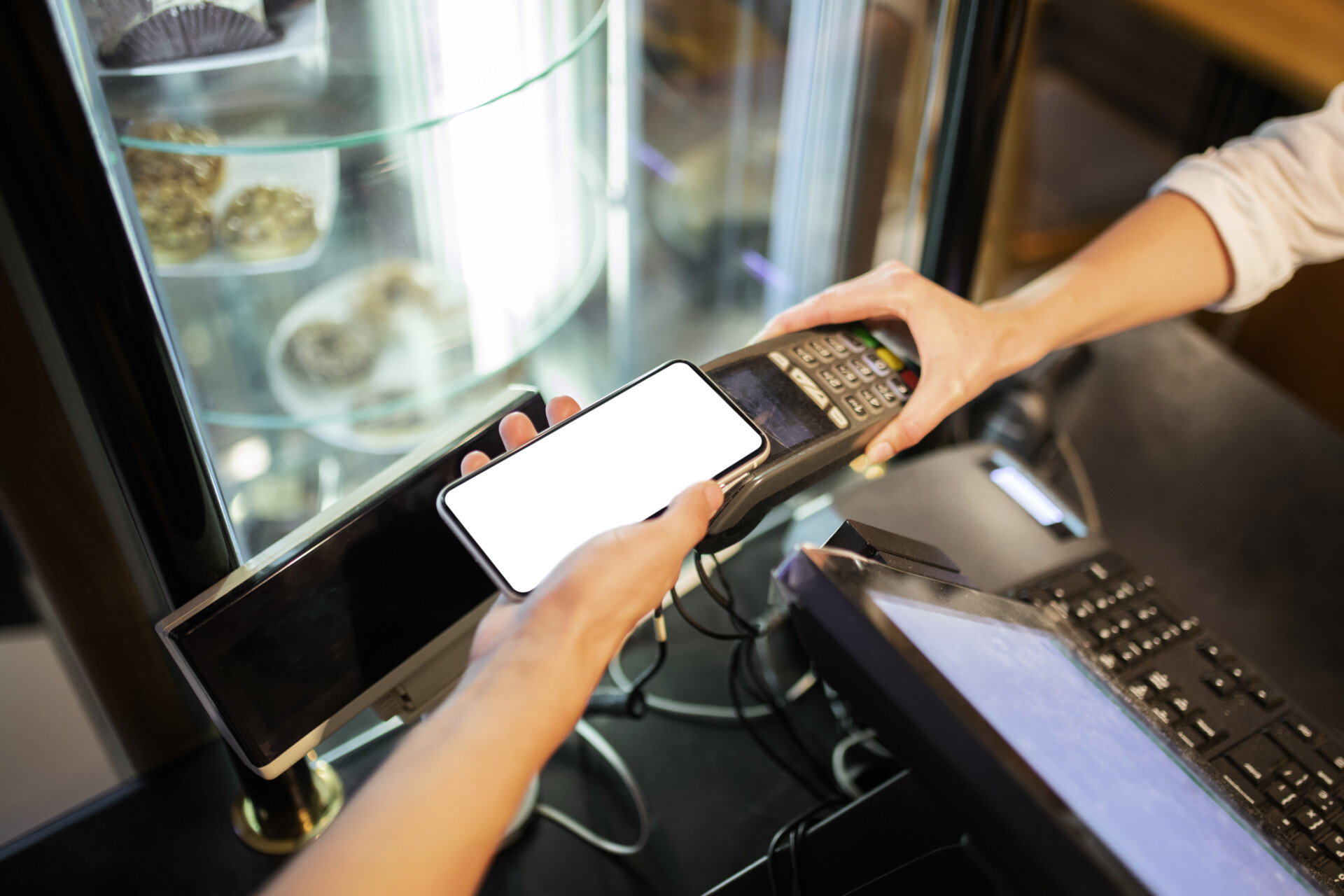
In today's rapidly evolving digital age, e-payments have become an indispensable part of the retail industry. As consumer demand for convenient and efficient transactions grows, retailers face the dual challenge of improving operational efficiency and customer satisfaction. By simplifying payment processes, e-payments not only shorten transaction times but also reduce human errors and enhance cash flow.
Current State of Payment Processes Analysis
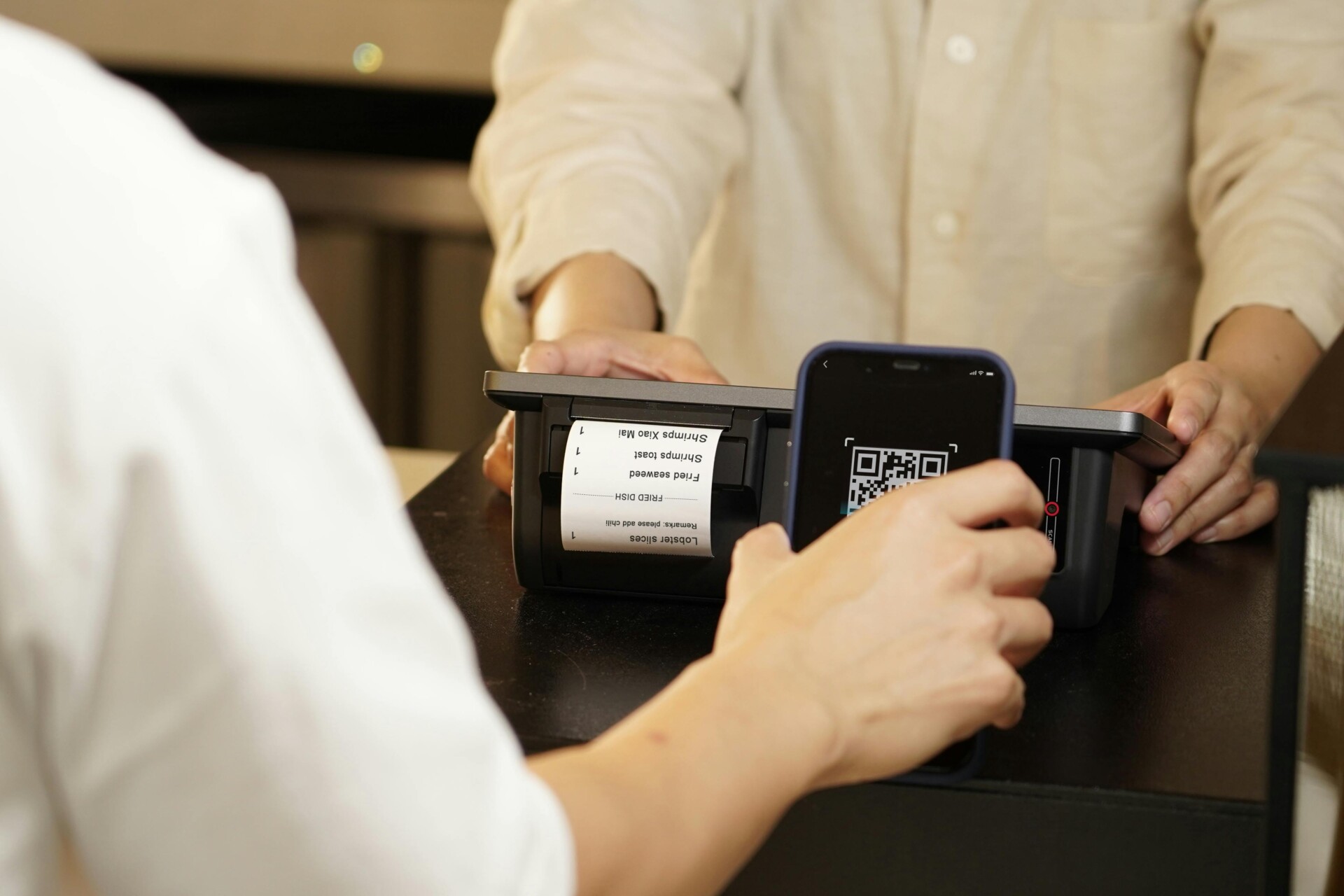
The current state of payment processes is rapidly changing. More and more retailers are adopting e-payment systems, which not only make it easier for customers to pay but also help businesses improve efficiency. Through mobile apps or QR code scanning, customers can easily complete transactions without needing cash or credit cards.
Beyond convenience, e-payments also offer security. Many e-payment platforms use encryption technology to protect users' personal data and financial information. Additionally, retailers can leverage data analytics to understand customer spending habits, enabling them to adjust marketing strategies and boost sales.
Advantages and Challenges of E-Payments
E-payments make shopping simpler and offer many benefits for retailers. First, customers can complete payments quickly, avoiding long queues. This not only increases customer satisfaction but also helps stores process more transactions in a shorter time. Moreover, e-payments reduce the hassle of cash management and lower the risk of theft. Businesses can easily track sales data to identify popular products, thereby better formulating marketing strategies.
However, e-payments also face some challenges. For example, some customers may be uncomfortable with new technologies and unsure how to use these payment methods. Cybersecurity is also a significant concern; data breaches could erode customer trust. Therefore, retailers need to provide clear guidance and safeguards to ensure customers feel secure and confident when using e-payments.
Strategies to Boost Retailer Efficiency
In today's retail landscape, e-payments have become a vital tool for improving store efficiency. By simplifying payment processes, businesses can complete transactions faster, allowing customers to avoid long waits. This not only enhances customer satisfaction but also frees up staff to focus on other tasks, such as providing better service or restocking shelves.
Using e-payments also reduces the hassle of cash handling, minimizing errors and the risk of theft. When businesses adopt secure and reliable payment systems, customers feel more at ease, which helps build trust. Furthermore, e-payments can collect data, helping businesses understand customer purchasing habits to make better marketing decisions.
Best Practice Case Studies
In today's retail environment, e-payments have become a key tool for improving store efficiency. Many businesses find that using e-payment systems can significantly streamline transaction processes, allowing customers to complete purchases faster. For example, some stores are adopting mobile apps or QR code payments, where customers can complete payments with just a tap.
Moreover, e-payments help businesses better manage their finances. Through data analytics, businesses can clearly understand which products are most popular and customer spending habits. This information helps them make more informed decisions, such as adjusting inventory or launching promotional campaigns. In summary, adopting e-payments not only improves transaction efficiency but also enhances business competitiveness.
Future Trends and Development Directions
As technology advances, e-payments will become even more widespread. Future retailers may use more advanced payment systems, such as facial recognition or fingerprint scanning, allowing customers to complete transactions faster. This will not only increase customer satisfaction but also reduce waiting times, making the shopping experience more seamless.
Furthermore, data analytics will play a crucial role in e-payments. By analyzing customer purchasing habits, retailers can offer personalized deals and recommendations, making customers feel valued. This will not only boost sales but also enhance customer loyalty to the brand. In the future, we will see more innovative payment solutions helping retailers stand out in a competitive market.
Wonder App
From application to operation, all you need is a mobile phone. With a 100% smart digital registration process, you can immediately start accepting payments and making transactions using the Wonder App. You can start receiving payments in as fast as 7 minutes. Handle multiple tasks with just one Wonder App:
Account
- E-payment account for receiving and making payments
- Currency and foreign exchange accounts
- Transaction detail overview
Business Credit Card
- Exclusive commercial card
- Directly linked to e-payment account
- Single account can issue multiple credit cards
Receiving Payments
- Get the Wonder Smart Terminal physical credit card machine on the same day, at the fastest
- Receive payments via links generated by the app
- Process payments anytime, anywhere on your phone
- Create and send online payment links to anyone
- Supports multiple payment methods
Making Payments
- Pay employees and suppliers from anywhere
- Payment management and approval
- Add and manage frequently used payees
Analytics
- Instant, complete payment records
- Credit card transaction records
- Track account history
With the increasing adoption of e-payments, retailers are seizing new opportunities to enhance efficiency and customer experience. By streamlining payment processes, businesses can not only accelerate transaction speeds but also reduce errors and improve customer satisfaction. These changes not only bolster business competitiveness but also lay a solid foundation for future growth.
You may also like